
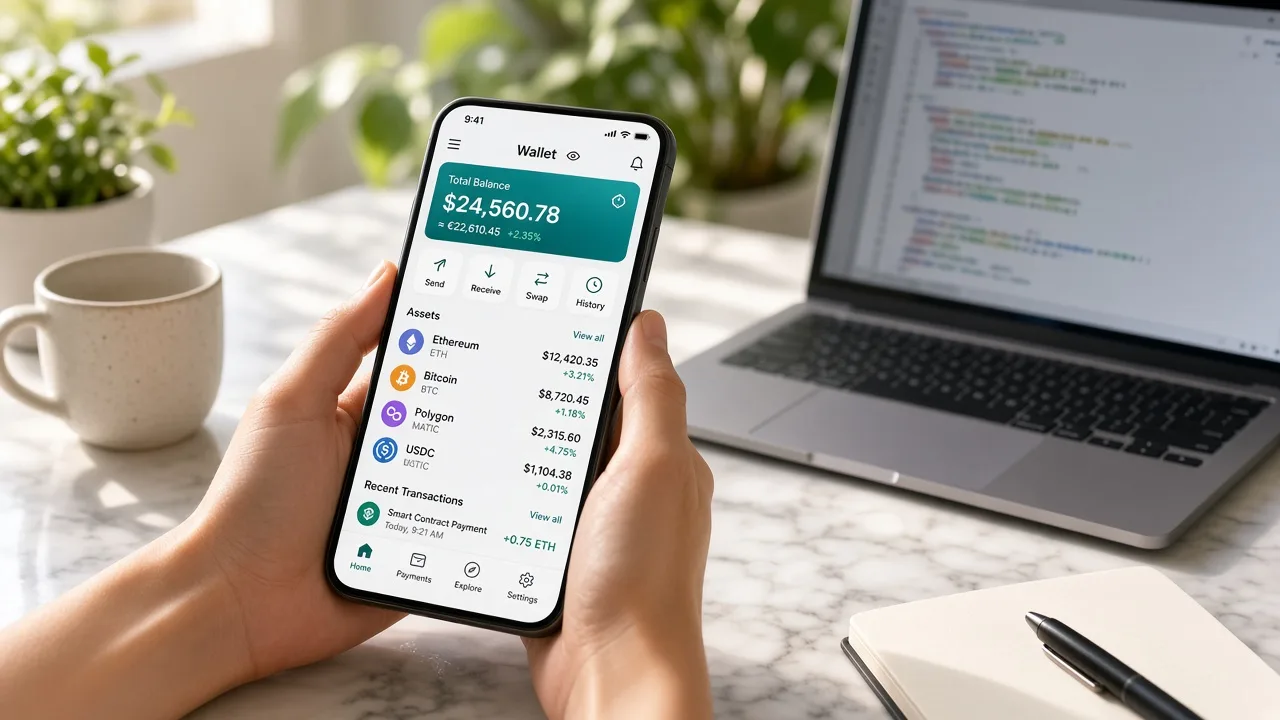
Blockchain technology is becoming an important part of modern digital products, enabling businesses to build decentralized applications, digital wallets, token-based platforms, NFT marketplaces, payment solutions, and other Web3 products. As businesses explore new ways to improve transparency, automate transactions, and create decentralized digital experiences, demand for blockchain development expertise keeps growing.
Building a blockchain application requires specialized knowledge of smart contracts, blockchain networks, wallets, APIs, security, decentralized architecture, and user experience. Technical requirements can also vary significantly depending on whether a business is building a DeFi platform, NFT marketplace, payment solution, or enterprise blockchain application.
Choosing the right development partner can therefore have a major impact on the architecture, security, scalability, and functionality of a Web3 product. The companies featured in this article provide different areas of blockchain and software development expertise for businesses exploring blockchain-based applications.
Why Businesses Are Investing in Blockchain and Web3 Applications
Blockchain and Web3 applications can provide businesses with new ways to manage digital assets, transactions, identity, ownership, and interactions between users. As the technology matures, organizations across financial services, gaming, retail, logistics, entertainment, and other industries are exploring practical blockchain use cases.
Creating More Transparent Transactions
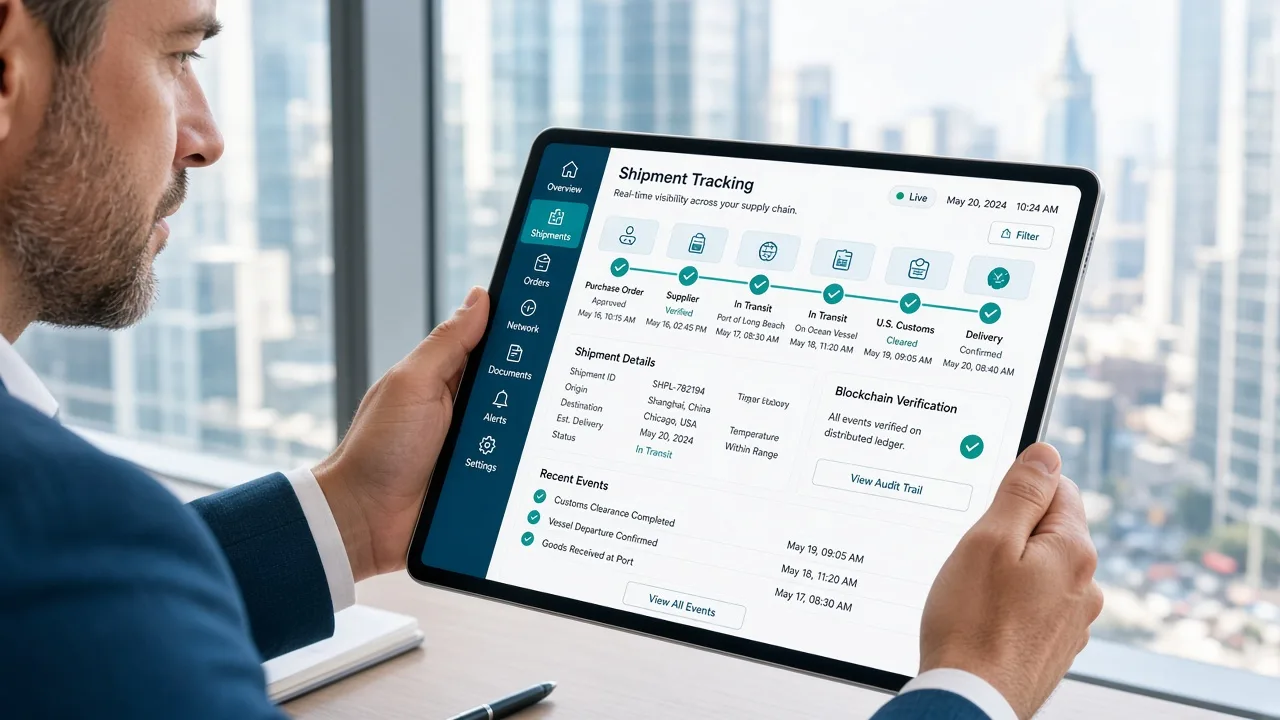
Blockchain records transactions on a distributed network, making it possible to maintain a shared record of activity. Businesses can use this approach where transparency and traceability are important, such as payments, supply chains, digital asset management, and transaction history.
Supporting Digital Asset Ownership
Web3 applications can enable users to own, transfer, and manage digital assets through blockchain networks. This can support use cases such as NFTs, tokenised assets, digital memberships, and blockchain-based rewards.
Businesses developing customer-facing blockchain products can also work with mobile app development companies in the USA to create mobile interfaces that connect users with wallets, digital assets, and Web3 services.
Automating Business Processes
Smart contracts can execute predefined actions when specified conditions are met. Businesses can use smart contracts to automate transactions, settlements, ownership transfers, access permissions, and other workflows without requiring every step to be handled manually.
Expanding Digital Payment Options
Blockchain technology can support alternative payment and settlement models through cryptocurrencies, stablecoins, and other digital assets. Businesses can integrate these options into applications where they align with their customers, markets, and operational requirements.
Building Decentralized Digital Experiences
Web3 applications can reduce reliance on centralized systems by allowing users to interact directly with blockchain networks and decentralized services. This model can be useful for communities, marketplaces, decentralized finance platforms, and applications where user ownership is an important part of the experience.
Supporting New Business Models
Tokenization, decentralized communities, digital collectibles, and blockchain-based financial products can create new ways for businesses to engage users and generate revenue.
However, blockchain should be adopted based on a clear business requirement rather than simply using the technology for its own sake. The application architecture, security model, user experience, and regulatory considerations should all be evaluated before development begins.
Top Blockchain App Development Companies in the USA for Scalable Solutions
Businesses exploring blockchain and Web3 products can evaluate development partners based on their experience with decentralized applications, smart contracts, wallets, tokenization, security, integrations, and enterprise blockchain systems. The following companies offer different capabilities across these areas.
1. Techanic Infotech
Techanic Infotech provides mobile and software development services for businesses building customized digital products. Its broader application-development capabilities can support blockchain projects that require mobile interfaces, backend systems, APIs, and customized user experiences.
Core Areas
- Mobile app development
- Software development
- Backend development
- UI/UX
- API integration
Best For: Businesses combining blockchain functionality with customized mobile or web applications.

Partner with Techanic Infotech to build a secure blockchain or Web3 product with mobile, backend, and API support.
Get Free Quote2. CrinPro Solution
CrinPro Solution provides blockchain and custom software development services, with capabilities spanning mobile, web, cloud, fintech, and blockchain solutions.
Core Areas
- Blockchain development
- Custom software
- Mobile apps
- Web applications
- Fintech solutions
Best For: Startups and businesses developing customized blockchain or Web3 products.
3. Intellectsoft
Intellectsoft provides blockchain development alongside broader software and product engineering services. Its published technology expertise includes Solidity, Hyperledger, and Ethereum, with blockchain positioned within its product engineering and digital transformation capabilities.
Core Areas
- Blockchain development
- Ethereum
- Hyperledger
- Custom software
- Enterprise solutions
- Integrations
Best For: Businesses requiring blockchain capabilities as part of larger software or enterprise projects.
4. TechAhead
TechAhead offers blockchain development for enterprise applications, decentralized applications, cryptocurrency wallets, and blockchain consulting. Its services also cover smart-contract development and blockchain solutions built around platforms such as Ethereum, Polygon, BNB Smart Chain, and Solana.
Core Areas
- Enterprise blockchain
- dApps
- Crypto wallets
- Smart contracts
- Blockchain consulting
Best For: Enterprises and businesses building secure, scalable blockchain applications.

Ready to launch a DeFi platform, NFT marketplace, or blockchain wallet? Get a scoped plan and timeline.
Get Free Quote5. PixelPlex
PixelPlex focuses strongly on Web3 and blockchain development, offering smart contracts, dApps, wallets, tokenized platforms, blockchain infrastructure, NFT solutions, and cross-chain capabilities.
Core Areas
- Web3 development
- Smart contracts
- dApps
- Wallets
- NFT platforms
- Tokenization
- Interoperability
Best For: Businesses building dedicated Web3 products and blockchain-based digital ecosystems.
6. Unicsoft
Unicsoft provides blockchain and Web3 development across tokenization, DeFi, enterprise blockchain, wallets, NFTs, blockchain games, and cryptocurrency solutions. Its portfolio also includes tokenized-asset and cross-chain use cases.
Core Areas
- DeFi
- Tokenization
- Wallets
- NFTs
- Enterprise blockchain
- dApps
Best For: Businesses developing advanced Web3, DeFi, and tokenization platforms.
7. SoluLab
SoluLab provides Web3 development covering decentralized platforms, NFTs, wallets, exchanges, multi-chain solutions, and Web3 gaming. Its services span industries including finance, retail, supply chain, and entertainment.
Core Areas
- Web3 platforms
- Wallets
- NFTs
- Exchanges
- Multi-chain development
- Web3 games
Best For: Businesses looking for customized Web3 applications across different industries.
8. ELEKS
ELEKS is a global software development and technology consulting company providing full-cycle engineering, advisory, data, and optimization services for enterprises. Its broader engineering capabilities can support organizations integrating blockchain into larger digital transformation and enterprise software initiatives.
Core Areas
- Enterprise software
- Application development
- Technology consulting
- Data and AI
- Digital engineering
Best For: Enterprises requiring blockchain-related development within broader software transformation projects.
Build a secure blockchain application with smart contracts, wallets, and enterprise integrations — get a free estimate.
Get Free Quote9. LeewayHertz
LeewayHertz offers blockchain and Web3 development across Ethereum, Hyperledger, Solana, Stellar, Cosmos, and other ecosystems. Its services include dApps, NFT marketplaces, smart-contract auditing, blockchain consulting, and cryptocurrency wallet development.
Core Areas
- Blockchain development
- Web3
- dApps
- Wallets
- NFTs
- Smart contracts
- Blockchain consulting
Best For: Businesses requiring customized blockchain solutions across multiple networks.
10. ScienceSoft
ScienceSoft provides end-to-end blockchain development services covering consulting, architecture, implementation, QA, integration, and support. Its blockchain use cases include cryptocurrency wallets, tokenization platforms, smart contracts, cross-chain bridges, and decentralized platforms.
Core Areas
- Blockchain consulting
- Application development
- Tokenization
- Wallets
- Smart contracts
- Cross-chain solutions
Best For: Startups and enterprises looking for end-to-end blockchain development and consulting.
What Blockchain App Development Companies Can Build
Blockchain technology can support different types of applications depending on the business model, target users, and required level of decentralization. Development companies can combine blockchain networks with mobile apps, web platforms, smart contracts, APIs, and conventional backend systems to create customized solutions.
DeFi Applications
Decentralized finance applications enable users to access financial services through blockchain-based systems. Common examples include decentralized exchanges, lending platforms, staking applications, and asset-management solutions.
These products often require smart contracts, wallet connectivity, token support, transaction management, and strong security controls.
eWallet Applications
Blockchain wallets allow users to store, send, receive, and manage digital assets through mobile or web interfaces. Depending on the product, wallets may support multiple blockchain networks, token types, transaction history, security controls, and third-party services.
Businesses developing financial products can also evaluate eWallet app development companies when they need specialized wallet infrastructure and transaction functionality.
NFT Marketplaces
NFT marketplaces allow users to create, buy, sell, trade, and manage blockchain-based digital assets. Platforms may be designed for art, collectibles, gaming assets, memberships, tickets, or other tokenized products.
Core functionality can include smart contracts, wallet connection, asset minting, marketplace listings, auctions, payments, and ownership verification.
Blockchain Payment Solutions
Blockchain payment applications can support digital-asset transfers, merchant payments, settlements, and other transaction workflows. Depending on the use case, businesses may integrate cryptocurrencies, stablecoins, payment gateways, wallets, and blockchain transaction monitoring.
Companies developing financial products can also explore Fintech App Development Companies in the USA when blockchain functionality is part of a broader fintech solution.
Web3 Social and Community Platforms
Web3 social applications can combine community features with blockchain-based identity, digital ownership, tokens, memberships, or creator economies.
These platforms may require decentralized identity, wallet integration, content management, token-based incentives, and social engagement functionality.
Enterprise Blockchain Applications
Businesses can use blockchain for areas such as supply-chain tracking, document verification, asset management, identity, transaction reconciliation, and shared data systems.
Blockchain Development Services Offered by Web3 App Development Companies
Blockchain development companies can provide services across the complete product lifecycle, from identifying suitable blockchain use cases to developing, integrating, testing, and maintaining the final application. The exact service mix depends on the project's architecture and business objectives.
Blockchain Consulting and Strategy
Development teams can help businesses determine whether blockchain is appropriate for a particular use case. This can include selecting a blockchain network, defining the application architecture, evaluating decentralization requirements, and planning the product roadmap.
Smart Contract Development
Smart contracts can automate transactions and business rules on blockchain networks. Developers can design, develop, test, and deploy smart contracts for activities such as token transfers, payments, asset ownership, staking, marketplaces, and decentralized applications.
dApp Development
Decentralized applications connect user interfaces with blockchain networks and smart contracts. Development companies can build the frontend, wallet connections, backend services where required, and blockchain logic needed to deliver a complete dApp experience.
Wallet Development and Integration
Blockchain projects often require secure wallet functionality for authentication, asset management, and transactions. Development teams can build custom wallets or integrate established wallet providers depending on the product's requirements.
Token Development and Tokenization
Businesses can create utility tokens, governance tokens, stablecoin-related solutions, or tokenized representations of assets. The development process may include token standards, smart contracts, issuance logic, transfer rules, and supporting applications.
Blockchain Integration
A blockchain application may need to communicate with existing databases, payment systems, CRM platforms, mobile applications, or enterprise software. APIs and integration layers can connect on-chain and off-chain systems while keeping data flows consistent.
For businesses already investing in broader mobile app development in the USA, blockchain functionality can also be integrated into an existing mobile product rather than requiring an entirely separate application.
Testing and Security Auditing
Blockchain applications require thorough testing because errors in smart contracts or transaction logic can create serious technical and financial risks. Development teams may perform functional testing, blockchain testing, smart-contract reviews, security assessments, and performance validation before deployment.
Maintenance and Web3 Support
Post-launch services can include smart-contract upgrades where the architecture permits them, application maintenance, monitoring, bug fixes, blockchain-network updates, security improvements, and integration support.
Key Features to Look for in a Blockchain App Development Partner
Choosing a blockchain development partner requires careful evaluation because Web3 projects can involve complex technologies, financial transactions, sensitive data, and long-term technical dependencies. Businesses should look beyond a company's general software experience and assess its blockchain-specific capabilities.
Blockchain and Web3 Expertise
Check whether the development team has practical experience with blockchain networks, smart contracts, decentralized applications, wallets, tokenization, and other Web3 technologies relevant to the project.
Strong Security Practices
Security should be a major consideration when selecting a blockchain partner. Ask about smart-contract testing, code reviews, vulnerability assessments, wallet security, access controls, and protection against common Web3 attacks.
Relevant Project Experience
Review previous projects that are similar to your planned application. Experience with DeFi, NFT marketplaces, wallets, payment solutions, or enterprise blockchain can help a development team understand the technical requirements of comparable products.
Blockchain Network Knowledge
Different networks offer different transaction models, performance characteristics, development environments, and fee structures. A capable partner should be able to explain these differences and recommend an appropriate network based on the application's needs.
Integration Capabilities
Many blockchain applications need to work with conventional software systems, payment providers, databases, APIs, and mobile applications. Strong integration expertise can help connect blockchain components with the rest of the technology ecosystem.
Scalability and Performance Planning
The architecture should account for growing users, transactions, digital assets, and application activity. Discuss how the proposed solution will handle higher workloads and whether the architecture can accommodate future blockchain-network or application changes.
Development and Maintenance Support
Blockchain products often require ongoing updates, monitoring, security improvements, and compatibility changes. A development partner should provide a clear approach to post-launch support rather than focusing only on the initial release.
Transparent Development Process
Before signing a project, businesses should understand the expected deliverables, development milestones, technology choices, testing process, ownership of source code and smart contracts, estimated mobile app development cost in the USA, and ongoing maintenance responsibilities.
Conclusion
Blockchain and Web3 applications are creating new opportunities for businesses to develop decentralized platforms, digital wallets, payment solutions, NFT marketplaces, DeFi products, and enterprise applications. However, the technical requirements of blockchain development make choosing an experienced development partner an important part of the project.
The companies covered in this article offer different capabilities across blockchain networks, smart contracts, Web3 applications, wallets, tokenization, enterprise solutions, and integrations. Businesses should evaluate each provider based on their specific use case, security requirements, technology needs, budget, and long-term product roadmap.
A well-planned blockchain application should balance decentralization, security, usability, scalability, and business value. With the right technical expertise and development strategy, organizations can build Web3 products that are practical, maintainable, and prepared for future growth.
Frequently Asked Questions (FAQs)
1. What is a blockchain application?
A blockchain application uses blockchain networks, smart contracts, or decentralized technologies to support functions such as digital assets, payments, identity, ownership, or automated transactions.
2. What can blockchain app development companies build?
They can build DeFi applications, cryptocurrency wallets, NFT marketplaces, payment platforms, dApps, Web3 communities, and enterprise blockchain solutions.
3. How much does blockchain app development cost in the USA?
The cost depends on the blockchain network, application complexity, smart contracts, security requirements, integrations, and development scope.
4. How long does it take to build a blockchain application?
A basic blockchain application may take several weeks, while complex Web3 or enterprise solutions can require several months of development and testing.
5. Which blockchain network should a business choose?
The choice depends on factors such as transaction speed, fees, scalability, ecosystem, smart-contract capabilities, security, and the application's specific requirements.
6. Why are smart contracts important in blockchain applications?
Smart contracts automate predefined rules and transactions on a blockchain, reducing the need for manual processing in supported use cases.