
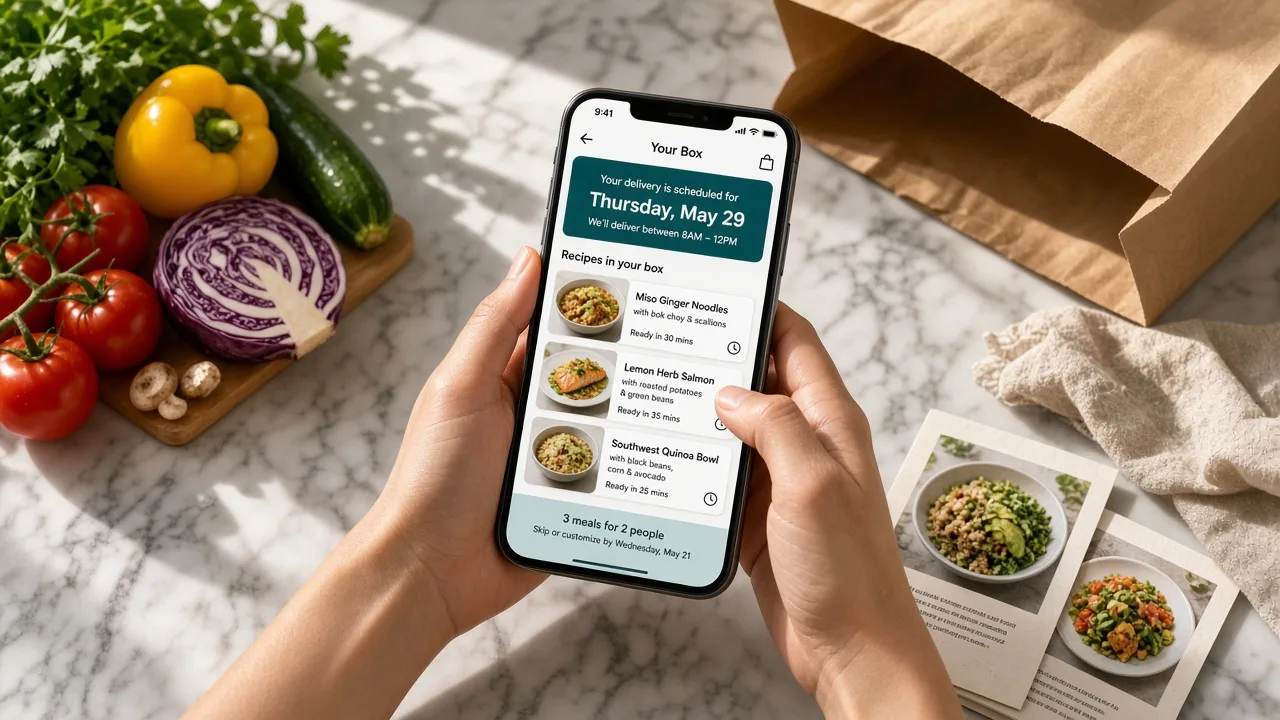
Meal kit subscription services have changed the way consumers plan and prepare meals by combining curated recipes, pre-portioned ingredients, flexible subscriptions, and convenient doorstep delivery. Instead of shopping for every ingredient separately, customers can choose meals through an app and receive the required ingredients according to their selected delivery schedule.
Behind this convenience is a complex digital ecosystem that manages subscriptions, menus, customer preferences, payments, inventory, delivery schedules, and recurring orders. As competition increases, meal kit businesses are investing in custom applications to create smoother customer experiences while improving operational efficiency.
A modern meal kit platform can support everything from recipe discovery and weekly meal selection to subscription management, payment processing, delivery tracking, and personalized recommendations. It can also connect with inventory and logistics systems to help businesses coordinate the supply chain behind each customer order.
Choosing the right technology partner is therefore important. The development team needs to understand subscription commerce, food delivery workflows, mobile applications, secure payments, and scalable backend systems. This guide highlights some of the best meal kit subscription app development companies in the USA and explains what businesses should consider before selecting a development partner.
Why Meal Kit Businesses Need Custom Subscription Apps for Growth
A meal kit subscription business depends on more than delivering food. It must coordinate customer preferences, recurring subscriptions, recipes, ingredients, inventory, payments, packaging, and delivery schedules. A well-designed application connects these processes and creates a more predictable experience for both customers and operations teams.
Easier Meal Selection
Customers can browse weekly menus, view recipes, check nutritional information, select meals, and customize their upcoming orders directly from the application.
Scalable Business Operations
As meal kit companies expand into additional cities, menus, delivery zones, or subscription models, the application needs an architecture that can scale without requiring a complete rebuild. Businesses often evaluate On-Demand App Development Companies in the USA when looking for partners experienced in scalable ordering and delivery platforms.
Flexible Subscription Management
Users should be able to choose subscription plans, change delivery frequency, skip a week, pause their membership, update meal preferences, or cancel without contacting customer support.
Personalized Recommendations
Customer preferences and previous orders can be used to recommend meals based on dietary requirements, favorite cuisines, allergies, or past selections.
Better Inventory Coordination
Meal kit businesses need accurate information about upcoming orders to prepare the right quantities of ingredients. Connecting subscriptions with inventory systems can help reduce waste and improve purchasing and preparation decisions.
Streamlined Delivery Operations
The application can provide delivery scheduling, order tracking, notifications, address management, and estimated arrival updates. Businesses comparing food delivery app development companies in the USA can also evaluate their experience with these logistics and real-time tracking capabilities.
Stronger Customer Retention
Subscriptions create recurring relationships, but customers still need reasons to remain active. Loyalty rewards, personalized offers, flexible plans, referral programs, and timely reminders can help improve engagement and reduce subscription cancellations.
Key Factors to Consider When Choosing a Meal Kit App Development Partner
Choosing a development company for a meal kit subscription platform requires more than comparing portfolios or initial quotations. The partner should understand both the customer-facing subscription experience and the operational systems required to prepare and deliver recurring meal orders.
Food & Delivery Expertise
A strong development partner should understand food ordering, delivery scheduling, inventory coordination, address management, and real-time order tracking. Experience with food delivery app development companies in the USA can be useful when evaluating technical capabilities in these areas.
Subscription Commerce Experience
Look for experience with recurring billing, subscription plans, renewals, pauses, skips, upgrades, cancellations, coupons, and customer retention workflows.
Payment & Security Capabilities
Meal kit platforms handle recurring payments and customer information. The development partner should have experience integrating secure payment gateways, authentication, subscription billing, and appropriate data-protection measures.
Inventory & Third-Party Integrations
Meal kit operations often require connections with inventory systems, accounting software, CRM platforms, payment providers, delivery services, and analytics tools. Strong API and integration expertise can reduce operational complexity.
Scalable Mobile & Backend Development
The platform should support growing numbers of subscribers, menu items, orders, delivery zones, and operational users. Businesses should evaluate mobile app development companies in the USA based on their ability to build scalable mobile applications and backend infrastructure rather than focusing only on UI design.
Post-Launch Support
A subscription platform continuously evolves as menus, pricing, delivery areas, customer preferences, and business requirements change. Ongoing maintenance, performance monitoring, security updates, and feature enhancements should therefore be considered part of the development partnership.
Best Meal Kit Subscription App Development Companies in the USA
The companies below offer different strengths across mobile product development, subscription platforms, food technology, cloud infrastructure, and on-demand delivery. The right fit depends on the complexity of your meal kit business, target customers, integrations, and long-term growth plans.
1. Techanic Infotech
Techanic Infotech is a custom software and mobile application development company that builds scalable digital products for startups and enterprises.
Core Capabilities
- Meal kit subscription applications
- Food ordering platforms
- Recurring payment integration
- Customer and admin dashboards
- Delivery and order tracking
- AI-powered personalization
Best For: Meal kit startups and established food businesses seeking customized subscription platforms.
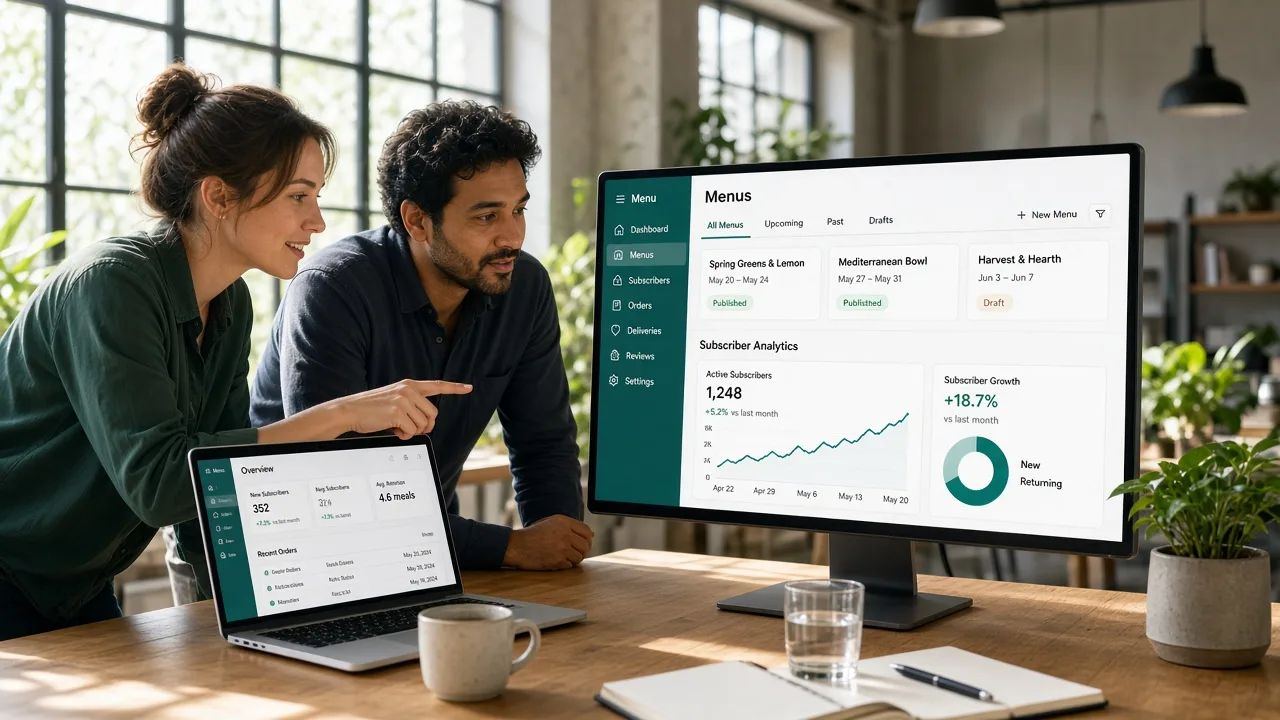
Partner with Techanic Infotech to build a custom meal kit subscription app with weekly menus, recurring billing, and delivery tracking.
Get Free Quote2. CrinPro Solutions
CrinPro Solutions focuses on scalable mobile and cloud applications designed around specific business workflows.
Core Capabilities
- Subscription-based ordering apps
- Food delivery platforms
- Customer management
- Payment integration
- Cloud backend development
- Delivery management
Best For: Growing meal kit businesses looking for flexible and scalable solutions.
3. Surf
Surf combines product strategy, UX design, and software engineering to create consumer-focused digital products.
Core Capabilities
- Mobile product development
- Subscription experiences
- UX/UI design
- Product discovery
- Cross-platform development
- Backend engineering
Best For: Meal kit brands where customer experience and product usability are major priorities.
4. ArcTouch
ArcTouch specializes in mobile applications, digital product strategy, and connected customer experiences.
Core Capabilities
- Custom mobile applications
- Food and ordering platforms
- Product strategy
- UX/UI design
- Cloud integration
- Connected experiences
Best For: Consumer-focused meal kit businesses seeking polished mobile experiences.
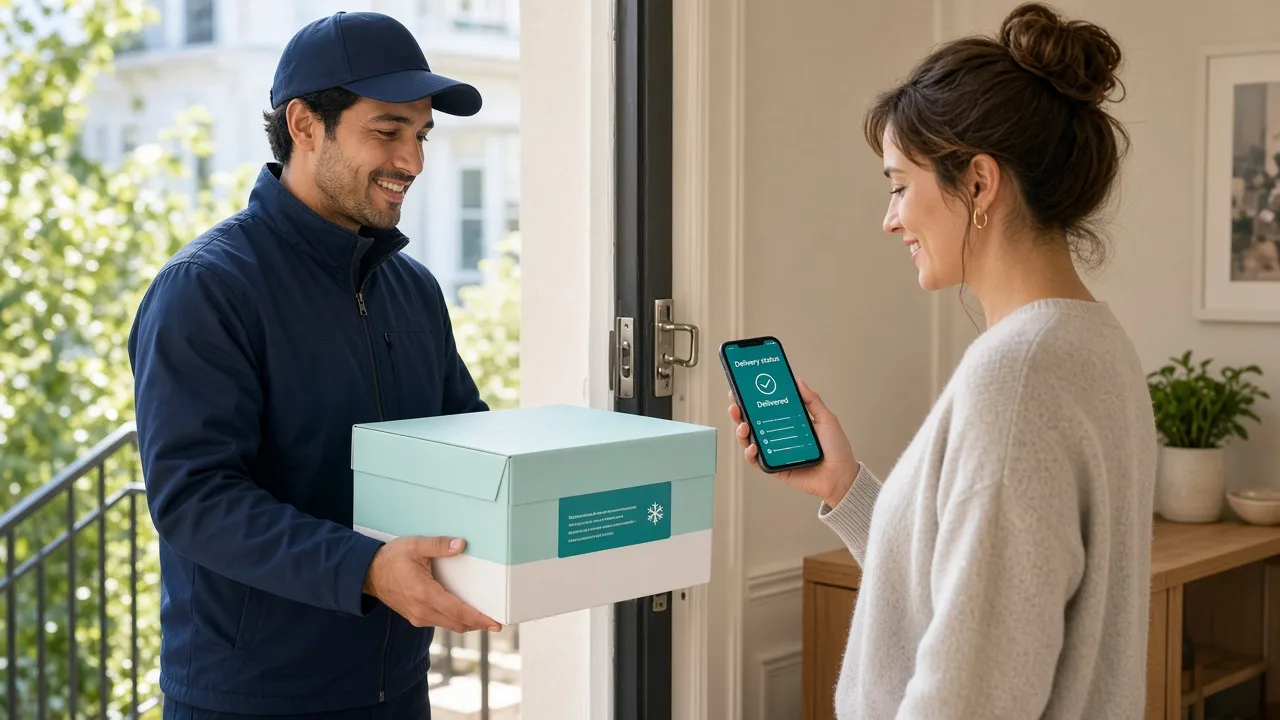
Ready to launch a meal kit app with subscriptions, skip weeks, and personalized menus? Get a scoped plan and timeline.
Get Free Quote5. OpenXcell
OpenXcell provides customized mobile and web development services for startups, SMBs, and enterprises.
Core Capabilities
- Food ordering applications
- Subscription platforms
- Payment integration
- Admin dashboards
- Delivery management
- AI-enabled applications
Best For: Businesses requiring feature-rich meal kit platforms with multiple integrations.
6. Simform
Simform provides cloud-native software engineering and scalable digital product development for growing businesses and enterprises.
Core Capabilities
- Cloud-based food platforms
- Mobile application development
- Backend engineering
- Real-time systems
- API integrations
- Analytics
Best For: Meal kit businesses expecting high order volumes and long-term platform expansion.
7. ScienceSoft
ScienceSoft develops enterprise software and digital platforms with a strong focus on security, integrations, analytics, and scalability.
Core Capabilities
- Enterprise food technology solutions
- Custom software development
- Cloud platforms
- Data analytics
- System integrations
- Business automation
Best For: Larger meal kit companies with complex operational and integration requirements.
8. TechAhead
TechAhead specializes in mobile, cloud, AI, and IoT-enabled applications for businesses across multiple industries.
Core Capabilities
- Mobile ordering applications
- AI-powered recommendations
- Subscription management
- Cloud infrastructure
- Analytics
- Customer engagement
Best For: Meal kit brands looking to incorporate AI-driven personalization and intelligent customer experiences.
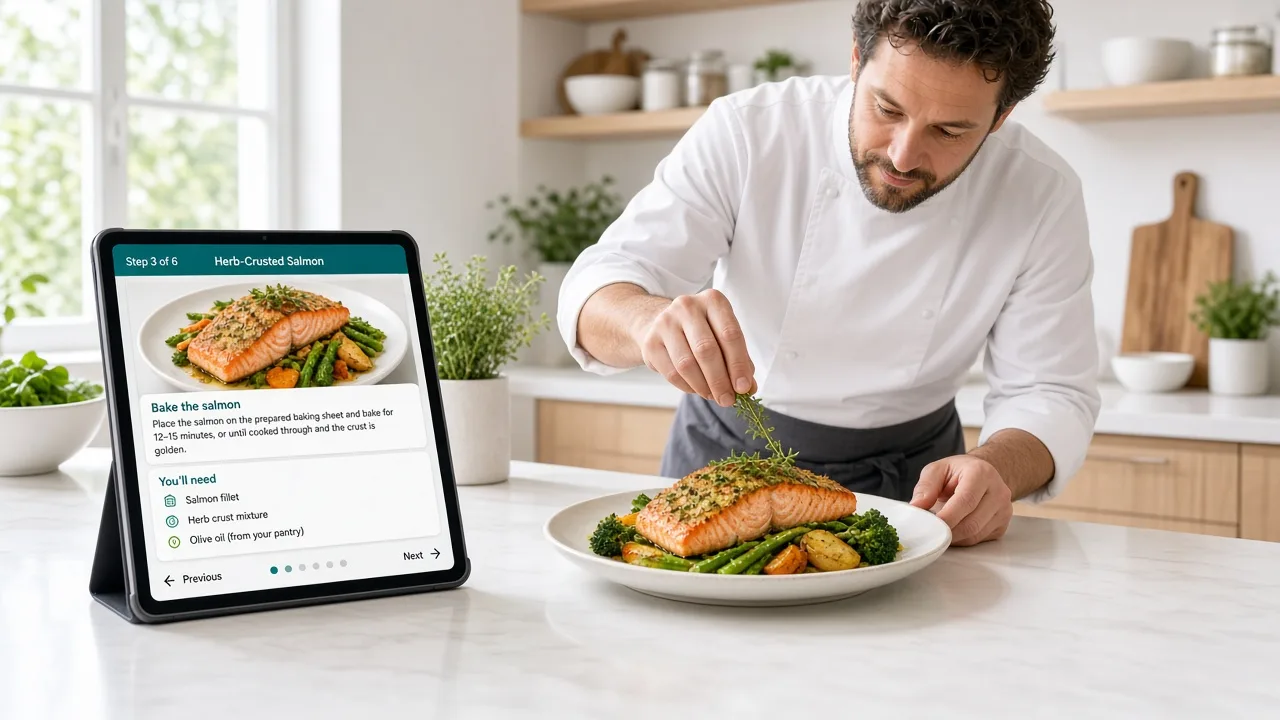
Build a scalable meal kit platform with inventory, recurring billing, and delivery tracking — get a free estimate.
Get Free Quote9. Net Solutions
Net Solutions provides digital product engineering and custom software development for startups and enterprises.
Core Capabilities
- Subscription commerce platforms
- Mobile and web applications
- Product engineering
- Cloud solutions
- API integrations
- UX design
Best For: Meal kit businesses building scalable digital commerce ecosystems.
10. Zco Corporation
Zco Corporation develops custom mobile and enterprise software with an emphasis on performance, security, and scalability.
Core Capabilities
- Mobile ordering systems
- Custom food applications
- Enterprise software
- Payment integrations
- Cloud solutions
- Backend development
Best For: Established meal kit and food businesses requiring customized, high-performance applications.
Key Factors for Comparing Meal Kit App Development Partners
Every meal kit business has different priorities, so comparing companies based only on their service lists can make the selection process difficult. The overview below summarizes the development partners and the types of projects they may suit best.
- Techanic Infotech — Custom product development. Best for startups and enterprises. Focus: subscription, food ordering, and delivery.
- CrinPro Solutions — Scalable mobile platforms. Best for growing businesses. Focus: subscription and cloud applications.
- Surf — Product strategy and UX. Best for consumer brands. Focus: customer experience.
- ArcTouch — Mobile product development. Best for growth-focused brands. Focus: mobile ordering and engagement.
- OpenXcell — Custom software solutions. Best for startups and SMBs. Focus: ordering, payments, and delivery.
- Simform — Cloud-native engineering. Best for growing and enterprise businesses. Focus: scalable food platforms.
- ScienceSoft — Enterprise software. Best for large organizations. Focus: integrations and analytics.
- TechAhead — AI and mobile development. Best for technology-driven brands. Focus: personalization and automation.
- Net Solutions — Product engineering. Best for startups and enterprises. Focus: subscription commerce.
- Zco Corporation — Custom software engineering. Best for established businesses. Focus: high-performance platforms.
Businesses evaluating mobile app development in the USA should compare more than development capabilities. Subscription experience, food-delivery workflows, API integrations, security, scalability, maintenance, and long-term product support can all influence the suitability of a development partner.
Conclusion
A successful meal kit subscription platform needs to connect the customer experience with the operational systems behind every recurring order. Menu selection, subscriptions, payments, inventory, packaging, delivery, and customer support all need to work together reliably.
The right development partner should therefore understand both mobile product development and the complexities of subscription-based food businesses. Businesses should evaluate technical expertise, integration capabilities, scalability, security, and post-launch support rather than focusing only on the initial quotation.
For startups, launching an MVP can provide a practical way to validate the subscription model before introducing advanced features. As the customer base grows, the platform can expand with personalized recommendations, loyalty programs, intelligent inventory planning, advanced analytics, and additional delivery capabilities.
Frequently Asked Questions (FAQs)
1. What features should a meal kit subscription app include?
Key features include meal selection, subscriptions, recurring payments, delivery scheduling, order tracking, customer profiles, notifications, and admin management.
2. Can a meal kit app support recurring subscriptions?
Yes. The platform can support recurring billing, subscription plans, pauses, skips, upgrades, cancellations, and renewals.
3. How much does meal kit app development cost?
The cost depends on features, integrations, platform complexity, subscription functionality, and customization requirements.
4. Can AI be integrated into a meal kit application?
Yes. AI can provide meal recommendations, personalize menus, forecast demand, optimize inventory, and improve customer engagement.
5. Can meal kit apps integrate delivery tracking?
Yes. GPS and logistics integrations can provide delivery tracking, estimated arrival times, driver updates, and delivery notifications.
6. Can the platform manage inventory?
Yes. Inventory integration can help businesses monitor ingredients, predict requirements, manage stock, and reduce food waste.