
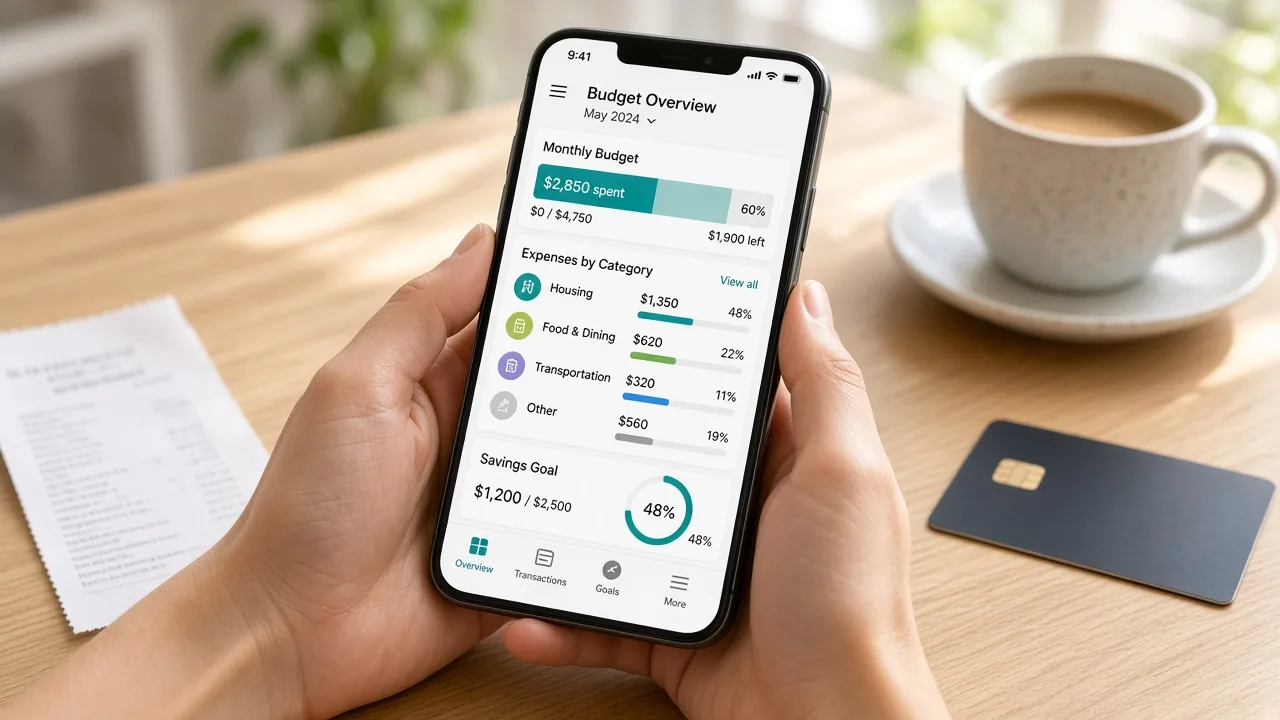
Managing personal finances has become increasingly digital as consumers look for easier ways to track spending, control budgets, monitor savings, and make smarter financial decisions. Budgeting applications provide a convenient way to bring these activities together through a single mobile platform.
Modern budgeting apps go beyond simple expense tracking. They can categorize transactions, set spending limits, monitor financial goals, provide personalized insights, and connect with bank accounts or digital payment services. For fintech startups and financial businesses, this creates opportunities to build personalized tools that help users develop better financial habits.
However, building a successful budgeting application requires more than a polished interface. The platform must handle sensitive financial information securely while providing reliable integrations, accurate calculations, intuitive user experiences, and scalable infrastructure.
Choosing the right technology partner is therefore an important part of the development process. Experienced teams can help businesses design secure financial applications, integrate third-party services, and build features that support long-term product growth.
This guide explores the top budgeting app development companies in the USA, what makes a successful budgeting application, how to choose the right development partner, and the key cost and technology considerations involved in building one.
Why Budgeting Apps Are Becoming Essential for Better Financial Management
Managing money manually through spreadsheets or multiple financial tools can quickly become difficult as users handle more accounts, subscriptions, payments, and financial goals. Budgeting applications simplify this process by bringing important financial information into one centralized platform.
Easier Expense Tracking
Users can record or automatically categorize expenses, helping them understand where their money goes and identify unnecessary spending.
Smarter Budget Management
Budgeting apps allow users to set spending limits for categories such as groceries, transportation, entertainment, and bills. Real-time updates help users stay within their planned budgets.
Financial Goal Tracking
Users can create goals for saving, debt repayment, emergency funds, travel, or major purchases and monitor their progress through visual dashboards.
Personalized Financial Insights
AI-powered analytics can identify spending patterns and provide personalized suggestions based on a user's financial behavior, helping make budgeting more proactive.
Account & Payment Integration
Connecting bank accounts, cards, and payment services can reduce manual data entry and provide users with a more complete view of their finances.
Businesses developing advanced financial platforms can also evaluate eWallet app development companies when planning integrations with digital wallets and payment ecosystems.
Better Customer Engagement
Notifications can remind users about upcoming bills, unusual spending, budget limits, subscription renewals, and progress toward financial goals. These features encourage users to interact with the application regularly.
What Makes a Successful Budgeting App for Modern Users?
A successful budgeting application should make financial management simple without overwhelming users with complicated tools. The strongest platforms combine intuitive design, reliable financial data, personalization, and security to create an experience users can trust.
Simple Financial Dashboard
Users should be able to see income, expenses, budgets, savings, upcoming bills, and financial goals from one clear dashboard.
Automated Expense Categorization
Transactions can be automatically categorized into spending groups, reducing manual work and helping users understand their financial habits more easily.
Budget & Spending Alerts
Users can set category limits and receive notifications when spending approaches or exceeds their defined budgets.
Financial Goal Management
The application should allow users to create savings targets, track progress, set deadlines, and receive reminders that encourage consistent financial habits.
Bank & Account Integrations
Secure integrations can connect bank accounts, credit cards, and other financial services to provide users with an updated view of their finances.
AI-Powered Financial Insights
AI can analyze spending behavior to identify patterns, suggest potential savings opportunities, forecast upcoming expenses, and provide personalized recommendations.
Security & Privacy
Budgeting applications handle sensitive financial information, making strong authentication, encryption, secure APIs, access controls, and privacy-focused architecture essential.
Businesses looking to build advanced financial platforms can also evaluate Fintech App Development Companies in the USA for expertise in secure financial integrations, compliance, and scalable fintech infrastructure.
Top Budgeting App Development Companies in the USA to Consider
The companies below offer different strengths across fintech, mobile product development, financial software, cloud infrastructure, and AI-powered applications. The right partner depends on your budgeting app's complexity, target audience, integrations, and long-term growth plans.
1. Techanic Infotech
Techanic Infotech provides custom mobile and software development solutions for startups and enterprises looking to build financial applications.
Core Capabilities
- Budgeting and personal finance apps
- Expense tracking platforms
- Financial dashboards
- Payment integrations
- AI-powered financial insights
- Secure backend development
Best For: Fintech startups and businesses seeking customized budgeting applications.
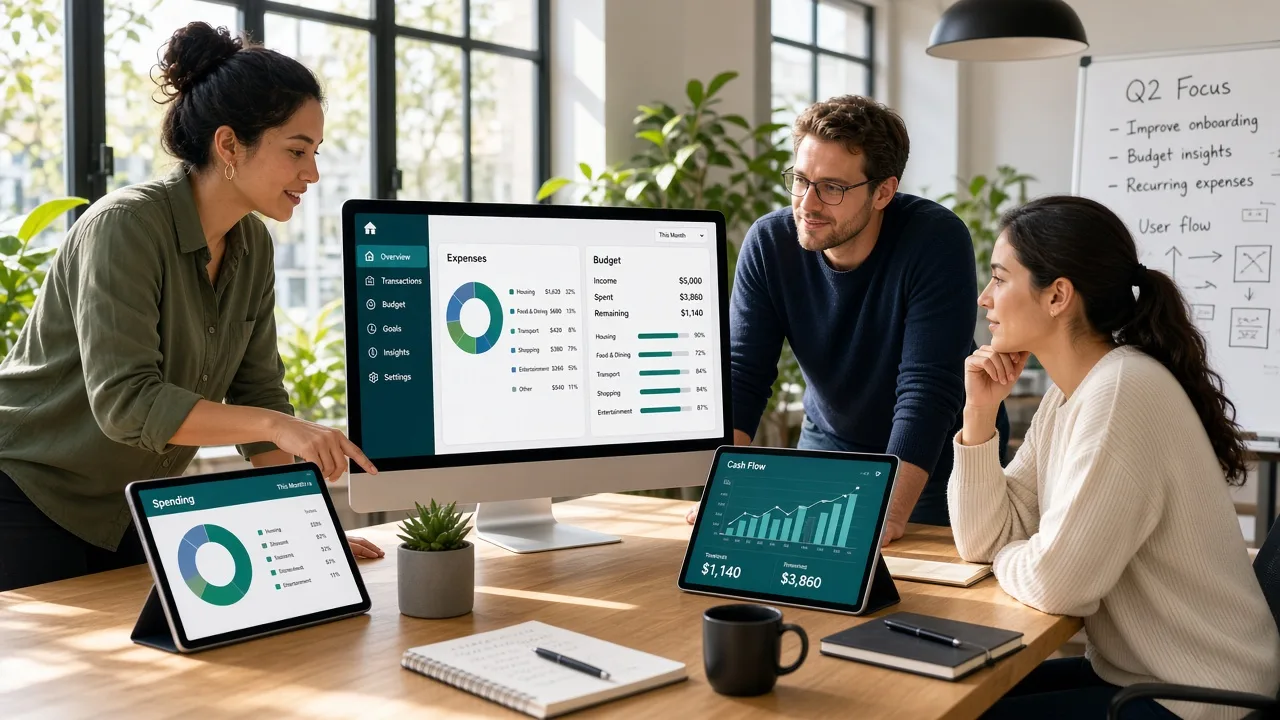
Partner with Techanic Infotech to build a secure budgeting app with expense tracking, savings goals, and AI-powered insights.
Get Free Quote2. CrinPro Solutions
CrinPro Solutions focuses on scalable mobile and cloud-based applications designed around specific financial workflows and business requirements.
Core Capabilities
- Personal finance applications
- Budget management systems
- Payment integrations
- Customer dashboards
- Cloud-based backend development
- Financial analytics
Best For: Startups and growing businesses looking for flexible fintech solutions.
3. ScienceSoft
ScienceSoft develops enterprise-grade financial and fintech software with an emphasis on security, analytics, integrations, and scalability.
Core Capabilities
- Financial management software
- Fintech applications
- Data analytics
- Cloud solutions
- Enterprise integrations
- Security-focused development
Best For: Financial institutions and businesses requiring enterprise-level budgeting platforms.
4. ELEKS
ELEKS provides custom software engineering and digital transformation services for financial businesses and technology companies.
Core Capabilities
- Fintech application development
- Financial analytics
- Cloud engineering
- Custom software development
- API integrations
- Data-driven applications
Best For: Enterprises developing sophisticated financial management platforms.
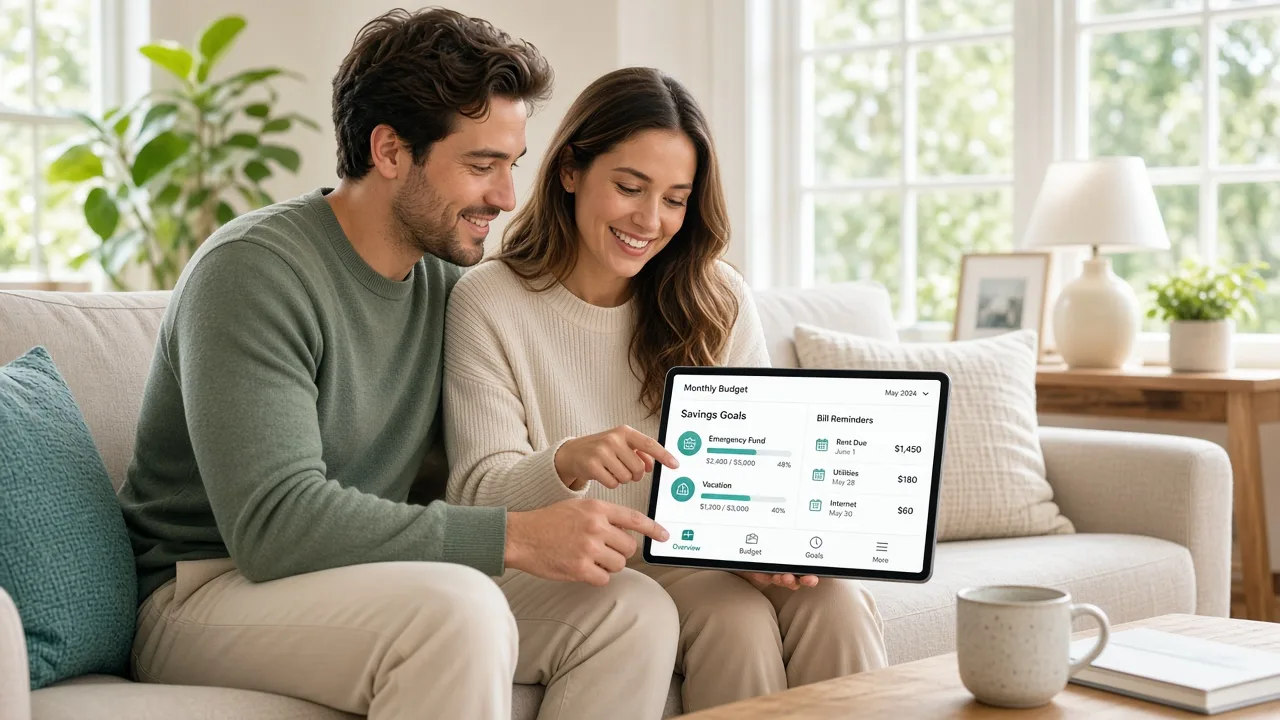
Ready to launch a personal finance app with budgets, bill reminders, and bank integrations? Get a scoped plan and timeline.
Get Free Quote5. Intellectsoft
Intellectsoft specializes in enterprise software development, cloud solutions, AI, and digital transformation across industries, including financial services.
Core Capabilities
- Fintech platforms
- Mobile financial applications
- AI-powered solutions
- Cloud infrastructure
- Enterprise integrations
- Blockchain solutions
Best For: Large organizations requiring scalable and technology-intensive financial applications.
6. Fueled
Fueled focuses on premium mobile and digital product development with strong expertise in user experience and consumer applications.
Core Capabilities
- Personal finance apps
- Mobile product development
- UI/UX design
- Digital product strategy
- iOS and Android development
Best For: Consumer-focused budgeting applications where usability and product experience are priorities.
7. TechAhead
TechAhead combines mobile development with AI, cloud, and data technologies to create intelligent financial applications.
Core Capabilities
- Budgeting applications
- AI-powered financial insights
- Mobile development
- Cloud solutions
- Analytics
- API integrations
Best For: Fintech businesses looking to incorporate AI and personalization into budgeting platforms.
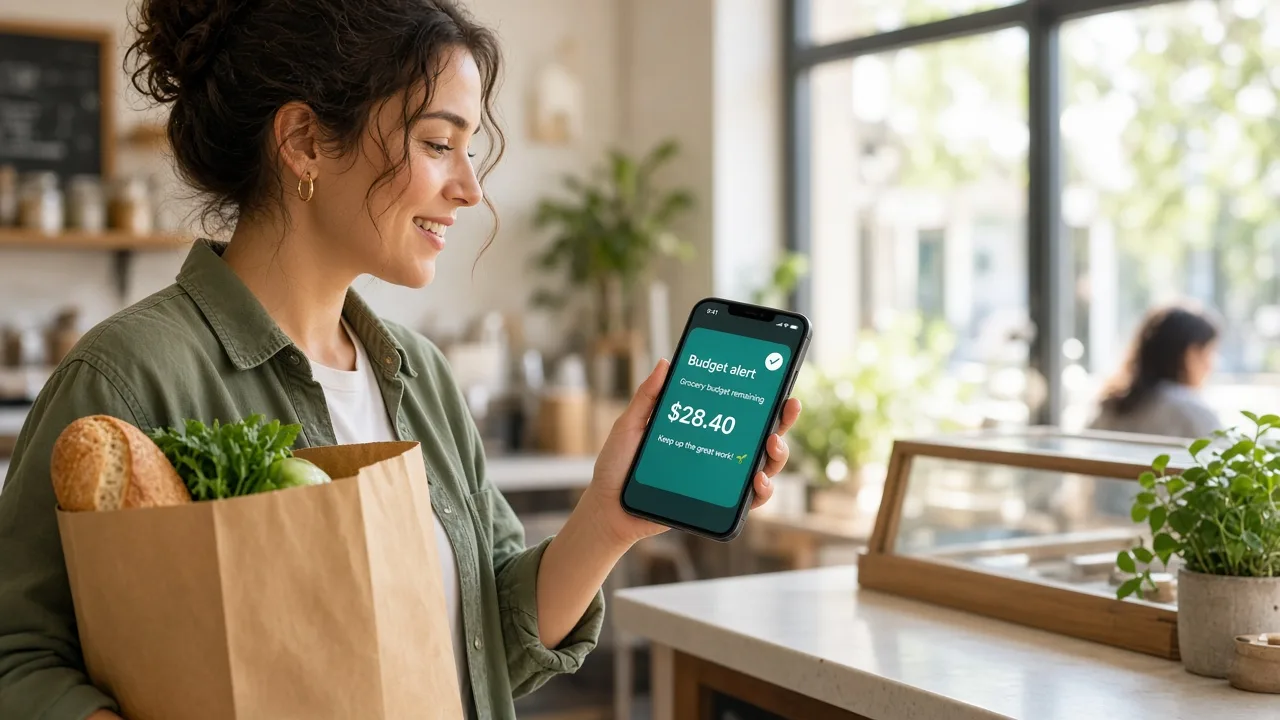
Build a budgeting app with real-time spending alerts, secure authentication, and scalable infrastructure — get a free estimate.
Get Free Quote8. Net Solutions
Net Solutions provides digital product engineering and custom software development for startups and enterprises.
Core Capabilities
- Financial applications
- Mobile and web platforms
- Product engineering
- Cloud development
- API integrations
- UX/UI design
Best For: Businesses seeking scalable budgeting and personal finance ecosystems.
9. Zco Corporation
Zco Corporation develops custom mobile and enterprise software with a focus on performance, security, and scalability.
Core Capabilities
- Financial mobile applications
- Custom software development
- Enterprise platforms
- Payment integrations
- Cloud-based solutions
Best For: Established businesses requiring high-performance financial applications.
10. OpenXcell
OpenXcell offers customized mobile and web application development for startups, SMBs, and enterprises.
Core Capabilities
- Budgeting applications
- Fintech solutions
- Payment integration
- AI-enabled applications
- Admin dashboards
- Cloud solutions
Best For: Startups and SMBs looking for customizable budgeting platforms.
How to Choose the Right Budgeting App Development Partner
Choosing a development company should involve more than comparing portfolios and pricing. A budgeting app handles sensitive financial information, connects with external financial services, and needs to remain reliable as the number of users grows.
Evaluate Fintech Experience
Look for a partner that understands financial applications, payment workflows, account integrations, transaction data, and the security requirements associated with fintech products.
Check Integration Expertise
A budgeting app may need to connect with banks, payment gateways, financial APIs, digital wallets, accounting platforms, or open-banking services. Strong API integration experience can simplify development and reduce future technical issues.
Prioritize Security
Ask potential partners about encryption, secure authentication, authorization, API security, data protection, vulnerability testing, and compliance practices. Financial applications require security to be part of the architecture from the beginning.
Assess AI Capabilities
If you plan to offer personalized spending insights, financial recommendations, forecasting, or intelligent categorization, evaluate the company's experience with AI and data-driven applications.
Consider Scalability
Your initial application may support a limited user base, but successful products can grow rapidly. The development partner should be able to design infrastructure that supports increasing transactions, users, financial data, and integrations without major redevelopment.
Review Long-Term Support
Budgeting applications require ongoing maintenance, security updates, API changes, performance optimization, and feature improvements. Confirm what post-launch support the company provides before signing a development agreement.
Businesses comparing mobile app development companies in the USA should evaluate the complete partnership, including technical expertise, security, scalability, communication, maintenance, and long-term product support.
Technology and Security Considerations for Budgeting Apps
A budgeting application combines financial data, third-party integrations, analytics, and mobile experiences, so its technology architecture needs to balance performance with security and scalability.
- Mobile App — Flutter, React Native, Swift, Kotlin. Used for cross-platform and native experiences.
- Backend — Node.js, Python, Java, .NET. Used for business logic and financial workflows.
- Database — PostgreSQL, MongoDB. Used for secure financial and user data storage.
- Cloud — AWS, Microsoft Azure, Google Cloud. Used for scalable and reliable infrastructure.
- APIs — REST APIs, GraphQL. Used for banking and third-party integrations.
- Authentication — OAuth 2.0, JWT, MFA. Used for secure account access.
- Analytics — Power BI, Grafana, Firebase Analytics. Used for financial insights and reporting.
- AI — Python, OpenAI APIs, ML frameworks. Used for recommendations and financial intelligence.
Security Should Be Built In From the Start
Budgeting applications handle sensitive information such as transaction records, account details, income data, and spending patterns. Secure authentication, encryption, role-based access controls, secure APIs, and continuous monitoring should therefore be part of the core architecture.
Integrations Require Careful Planning
Banking APIs, payment gateways, digital wallets, and financial data providers can introduce additional development and maintenance requirements. Each integration may have different authentication methods, data formats, rate limits, and usage costs.
Plan for Scalability
A well-designed architecture should support increasing users, transactions, financial data, and third-party integrations without major structural changes. Businesses planning broader fintech ecosystems can also work with experienced mobile app development in the USA to establish a scalable technical foundation.
Conclusion
A successful budgeting application should make financial management easier while giving users confidence that their information is secure and their financial data is handled reliably.
For startups, a focused MVP can begin with expense tracking, budgeting, financial goals, and notifications before expanding into bank integrations, AI-powered insights, investment features, or broader fintech services.
Choosing the right development partner is equally important. Businesses should look beyond the initial quotation and evaluate fintech experience, security practices, integration capabilities, scalability, AI expertise, and long-term support.
With the right product strategy and technology foundation, a budgeting app can evolve from a simple expense management tool into a comprehensive personal finance platform that supports long-term customer engagement and business growth.
Frequently Asked Questions (FAQs)
1. Which are the best budgeting app development companies in the USA?
Techanic Infotech and CrinPro Solutions are among the companies to consider.
2. What features should a budgeting app include?
Key features include expense tracking, budget management, financial goals, transaction categorization, notifications, analytics, and secure account integrations.
3. How much does budgeting app development cost in the USA?
Development typically costs 8,000–70,000+, depending on features, integrations, security, AI capabilities, and platform complexity.
4. Can a budgeting app connect to bank accounts?
Yes. Secure financial APIs can connect bank accounts and other financial services to automatically retrieve and categorize transaction data.
5. Can AI be integrated into a budgeting app?
Yes. AI can provide spending insights, personalized recommendations, expense categorization, forecasting, and financial alerts.
6. Are budgeting apps secure?
They can be when built with encryption, secure authentication, MFA, protected APIs, access controls, and appropriate data-security practices.
7. Can budgeting apps support multiple financial accounts?
Yes. A scalable platform can connect multiple bank accounts, cards, wallets, and other financial services through supported integrations.
8. How long does it take to develop a budgeting app?
A budgeting app generally takes 2–10 months, depending on the application's complexity, integrations, security requirements, and customization.