
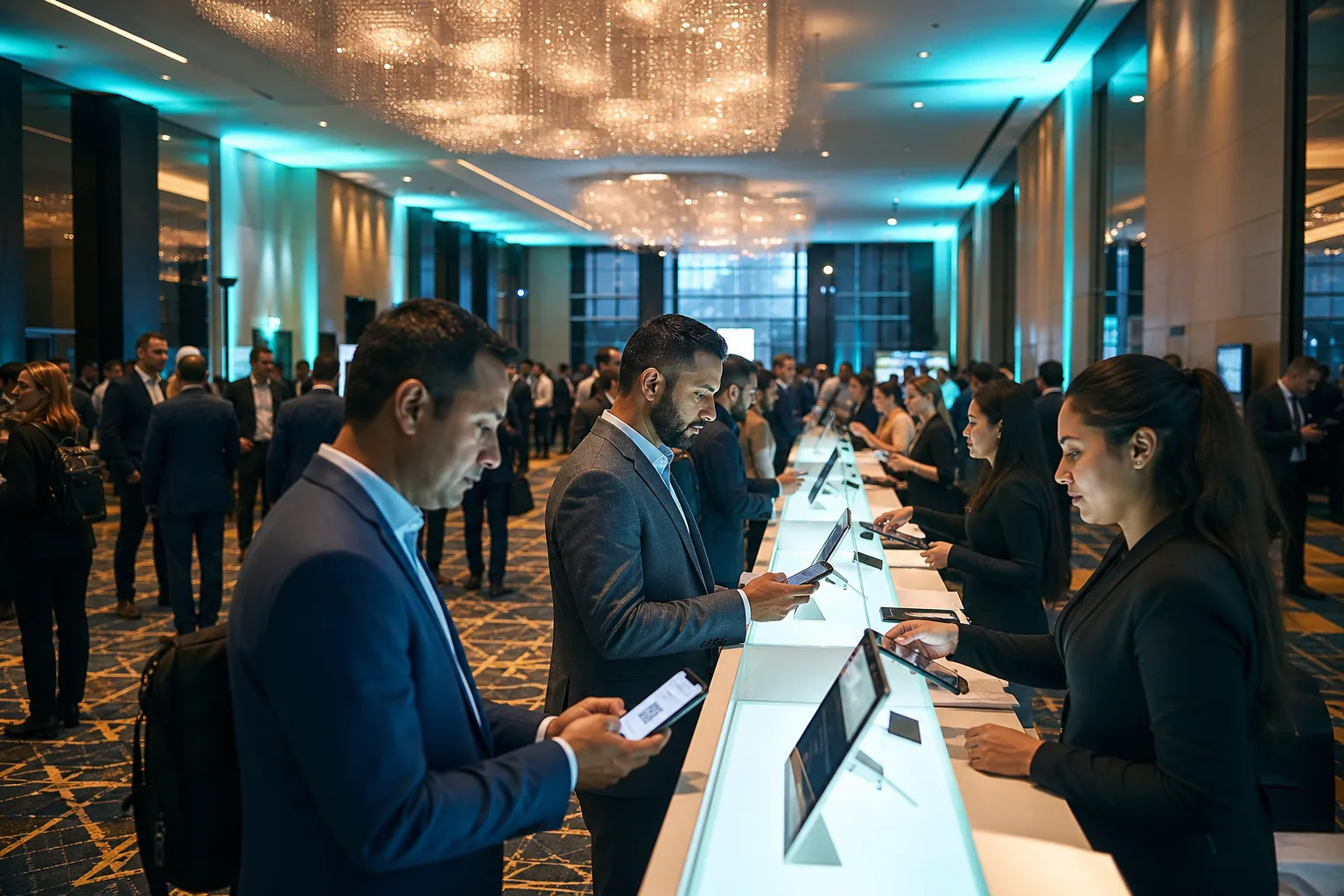
Events have become increasingly digital, but attendees still judge an event by something very simple: how easy the entire experience feels.
Finding an event, registering for it, purchasing tickets, receiving updates, checking schedules, connecting with other attendees, and accessing event information should not require multiple platforms. A well-designed event application brings these interactions together, creating a single digital experience for attendees while giving organisers greater control over event operations.
For event companies, the value goes beyond convenience. A dedicated application can centralise registrations, ticketing, venue information, speaker schedules, attendee communication, networking, payments, and analytics. Organisers can also use real-time data to understand attendee behaviour and make faster decisions during an event.
However, building this type of platform requires more than standard mobile development. Event applications must handle sudden traffic spikes, secure transactions, real-time notifications, location-based features, and constantly changing event information.
In this guide, we've selected the best event management app development companies in the USA based on their product development capabilities, technical expertise, scalability, user experience, and ability to build reliable event booking and management platforms.
Why Event Businesses Are Moving Toward Digital Platforms
Event management has always involved coordinating multiple moving parts. Venues, attendees, speakers, sponsors, vendors, tickets, schedules, and payments all need to work together. As events become larger and more complex, managing these activities through spreadsheets, emails, and disconnected tools becomes increasingly difficult.
Digital event platforms bring these moving parts into one connected environment.
Registration Is Becoming Frictionless
Attendees increasingly expect to discover events, register, purchase tickets, and receive confirmation without switching between different websites or applications. A mobile-first experience reduces unnecessary steps and makes registration easier.
Real-Time Communication Matters
Event schedules can change quickly. Speakers may change time slots, rooms can be reassigned, and organisers may need to send urgent announcements. Push notifications and in-app communication allow organisers to keep attendees informed instantly.
Networking Is Becoming Digital
Modern events are not limited to physical interactions. Attendees can discover other participants, connect with speakers, exchange contact information, join discussions, and arrange meetings through event applications.
Data Helps Organizers Make Better Decisions
Event applications collect valuable information about registrations, ticket sales, session attendance, attendee engagement, and overall event performance. Organisers can use these insights to improve future events and optimise marketing strategies.
On-Demand Experiences Are Expanding
From conferences and exhibitions to corporate events and festivals, organisers increasingly need flexible platforms that support different event formats. Businesses exploring on-demand app development companies in the USA can also benefit from expertise in real-time bookings, payments, notifications, location services, and service provider management.
What Separates a Strong Event App Development Partner?
An event application may look straightforward on the surface, but the technology behind it needs to handle multiple processes simultaneously. Registration, ticketing, payments, attendee communication, schedules, networking, and analytics all need to work together without creating friction.
When evaluating development partners, businesses should look at more than portfolios and pricing.
- Event Technology Experience — Experience with ticketing, registration, event scheduling, networking, and attendee management.
- Scalable Architecture — Ability to handle sudden traffic increases during ticket launches and live events.
- Real-Time Capabilities — Push notifications, live schedules, chat, location services, and instant updates.
- Payment & Security — Secure payment processing, authentication, encrypted data, and transaction protection.
- UI/UX Expertise — Simple navigation that lets attendees find information quickly during busy events.
- Post-Launch Support — Maintenance, performance monitoring, updates, and technical assistance after deployment.
Experience With High-Traffic Applications
Event platforms can experience unpredictable traffic. A ticket release or popular conference announcement may bring thousands of users to the application within minutes. The development partner should therefore understand load management, cloud scalability, caching, and performance optimisation.
Businesses comparing should specifically consider mobile app development companies in the USA to determine whether potential partners have experience building applications that handle high concurrent usage and transaction-heavy workflows.
Integration Capabilities
Modern event platforms rarely operate independently. They may need integrations with payment gateways, ticketing systems, CRM platforms, email services, maps, calendars, video conferencing tools, and marketing platforms.
Flexibility for Different Event Formats
A conference application may need speaker schedules and networking, while a festival app may require maps, ticket scanning, and live notifications. The ideal partner should be able to adapt the product architecture to different event types rather than forcing every business into the same template.
Long-Term Product Thinking
The application should be designed for more than one event. A scalable platform can support future conferences, exhibitions, workshops, festivals, corporate events, or virtual experiences without requiring a complete rebuild.
Top Event Management App Development Companies in the USA
The right development partner depends on the type of event platform you want to build. A conference application may prioritise networking and live schedules, while a ticketing marketplace may require high transaction capacity and complex pay workflows.
Here are ten companies worth considering for different event technology requirements.
1. Techanic Infotech
Techanic Infotech works with startups and enterprises to build customised mobile and web applications around specific business requirements. For event businesses, its solutions can bring registration, ticketing, payments, attendee communication, networking, scheduling, and analytics into a unified platform.
The company's custom approach is particularly useful when an organiser needs workflows that go beyond standard event-booking functionality.
Best suited for: Custom event platforms, conferences, exhibitions, and growing event businesses.

Partner with Techanic Infotech to build a custom event booking, ticketing, or conference management platform.
Get Free Quote2. CrinPro Solutions
CrinPro Solutions focuses on building scalable digital products for businesses that need flexible technology infrastructure. Its event solutions can support online registration, booking, digital payments, notifications, attendee management, and administrative operations.
For businesses starting with a focused event platform and planning to introduce additional capabilities over time, this approach can provide room for gradual expansion.
Best suited for: Event startups, SMBs, corporate events, and booking platforms.
3. Surf
Surf approaches application development from a product perspective, combining strategy, design, and engineering to create engaging digital experiences. Its expertise is especially relevant for event applications where attendee experience is just as important as the underlying technology.
From event discovery to networking and personalised user journeys, the company can help businesses create products designed around how attendees actually interact with events.
Best suited for: Premium event experiences, conferences, networking platforms, and consumer-focused event applications.
4. ArcTouch
ArcTouch specialises in digital product development, with strong capabilities in mobile applications, product strategy, and connected technologies. Its experience makes it suitable for event platforms that need intuitive interfaces combined with reliable technical infrastructure.
Its product-focused approach can be valuable for conferences and large-scale events where attendees need quick access to schedules, venue information, networking, notifications, and other event services.
Best suited for: Conferences, exhibitions, large events, and premium event applications.

Ready to launch an event app with ticketing, live schedules, and attendee networking? Get a scoped plan and timeline.
Get Free Quote5. OpenXcell
OpenXcell provides customised software development for startups, SMBs, and enterprises. Its broad development capabilities allow event businesses to create platforms covering ticketing, bookings, payments, attendee management, administration, and other event-specific workflows.
Businesses can also introduce advanced functionality such as AI-powered recommendations or analytics as the platform evolves.
Best suited for: Event startups, ticketing platforms, multi-vendor event marketplaces, and growing businesses.
6. TechAhead
TechAhead combines mobile application development with cloud and AI capabilities. This makes it an interesting option for event businesses looking to move beyond basic booking functionality and introduce personalisation and intelligent automation.
Potential applications include personalised event recommendations, attendee insights, automated notifications, analytics, and AI-powered engagement features.
Businesses comparing mobile app development companies in the USA may consider this type of technical expertise when building an event platform that needs to scale while introducing advanced digital capabilities.
Best suited for: AI-enabled event applications, large conferences, and technology-driven event businesses.
7. Rootstrap
Rootstrap focuses heavily on product development, agile engineering, and MVP creation. This makes it particularly relevant for startups that want to test an event technology concept before committing to a large-scale platform.
The development process can begin with essential functionality and expand through subsequent product iterations based on attendee and organiser feedback.
Best suited for: Event technology startups, MVPs, and businesses validating new event concepts.
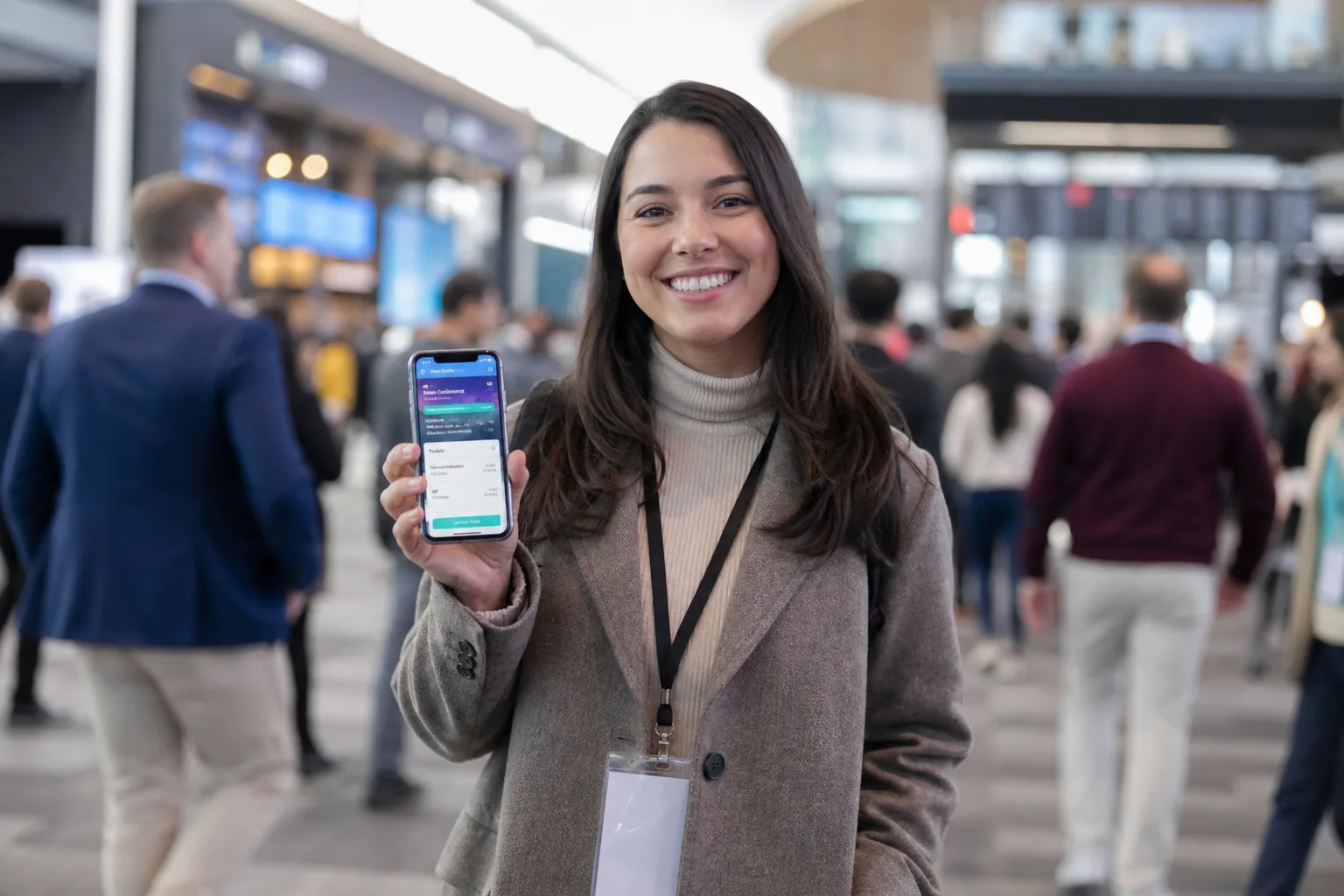
Build an event management app with registration, payments, and real-time updates — get a free estimate.
Get Free Quote8. ScienceSoft
ScienceSoft provides enterprise software development and technology consulting services for organisations with complex operational requirements. Its expertise across software engineering, analytics, cloud infrastructure, and security makes it suitable for large event ecosystems.
For organisations managing multiple events, locations, user groups, or integrations, enterprise-grade architecture can help maintain performance as platform usage grows.
Best suited for: Enterprise event companies, large conferences, exhibition organisers, and multi-event platforms.
9. MindSea
MindSea focuses on mobile product strategy and user-centred application development. Its approach is well suited to event businesses that want to make registration, schedules, networking, and attendee engagement simple and intuitive.
Rather than overwhelming users with features, a product-focused design strategy can help organisers create applications that are easier to navigate during busy events.
Best suited for: Consumer event apps, networking platforms, conferences, and attendee-focused products.
10. Dogtown Media
Dogtown Media develops custom mobile applications with expertise in emerging technologies, IoT, and connected digital experiences. These capabilities can be useful for event platforms that need to interact with physical venues or connected infrastructure.
For example, event applications can incorporate location-based services, connected devices, real-time notifications, and venue-related technologies to create more interactive experiences.
Best suited for: Smart event platforms, connected venues, technology-driven events, and IoT-enabled applications.
A Quick Look at the Leading Companies
Every event business has different priorities, so the "best" development partner depends on the type of platform you're planning to build.
- Techanic Infotech — Custom event platforms; Startups & enterprises.
- CrinPro Solutions — Scalable mobile solutions; SMBs & event businesses.
- Surf — Product design & UX; Premium event experiences.
- ArcTouch — Mobile product development; Conferences & large events.
- OpenXcell — Custom software development; Startups & growing businesses.
- TechAhead — AI & cloud solutions; Intelligent event platforms.
- Rootstrap — MVP & product development; Event technology startups.
- ScienceSoft — Enterprise software; Large event organizations.
- MindSea — Mobile UX & product strategy; Attendee-focused apps.
- Dogtown Media — IoT & connected technology; Smart event experiences.
For businesses planning large-scale event platforms, the technology partner should be capable of supporting both the initial launch and future expansion. Evaluating mobile app development in the USA based on technical expertise, scalability, integrations, and post-launch support can help narrow down the right choice.
Conclusion
A successful event application should make the experience easier for both attendees and organisers. From registration and ticketing to networking, real-time updates, payments, and analytics, the right platform can bring the entire event journey into one connected experience.
The companies featured in this guide offer different strengths. Some are better suited to startups and MVPs, while others are equipped for enterprise applications, AI-powered experiences, or connected event technologies.
Before choosing a development partner, consider your event model, expected audience size, required integrations, security needs, scalability goals, and long-term product roadmap. This approach will help you choose a partner that can support your platform beyond its initial launch.
Frequently Asked Questions (FAQs)
1. Which are the best event management app development companies in the USA?
Techanic Infotech and CrinPro Solutions are among the companies businesses can consider for custom event management application development.
2. What features should an event management app include?
Common features include event discovery, registration, ticket booking, secure payments, event schedules, push notifications, venue maps, attendee networking, speaker information, and analytics.
3. Can event apps handle large numbers of users?
Yes. With scalable cloud infrastructure and optimised architecture, event applications can support high traffic during ticket launches and live events.
4. Can AI be integrated into an event management app?
Yes. AI can provide personalised event recommendations, attendee matching, intelligent chat support, content recommendations, and engagement analytics.
5. How much does event management app development cost?
The cost varies based on features, platforms, integrations, UI/UX complexity, security requirements, and expected user volume. A basic booking application will generally cost less than a large event ecosystem.
6. Can an event app support multiple events?
Yes. A scalable platform can manage multiple events, organisers, venues, ticket types, attendees, schedules, and administrative accounts from a centralised system.
7. How long does it take to develop an event management app?
Development time depends on project scope. A basic application may take a few months, while a feature-rich platform with advanced integrations and real-time capabilities requires a longer development cycle.