
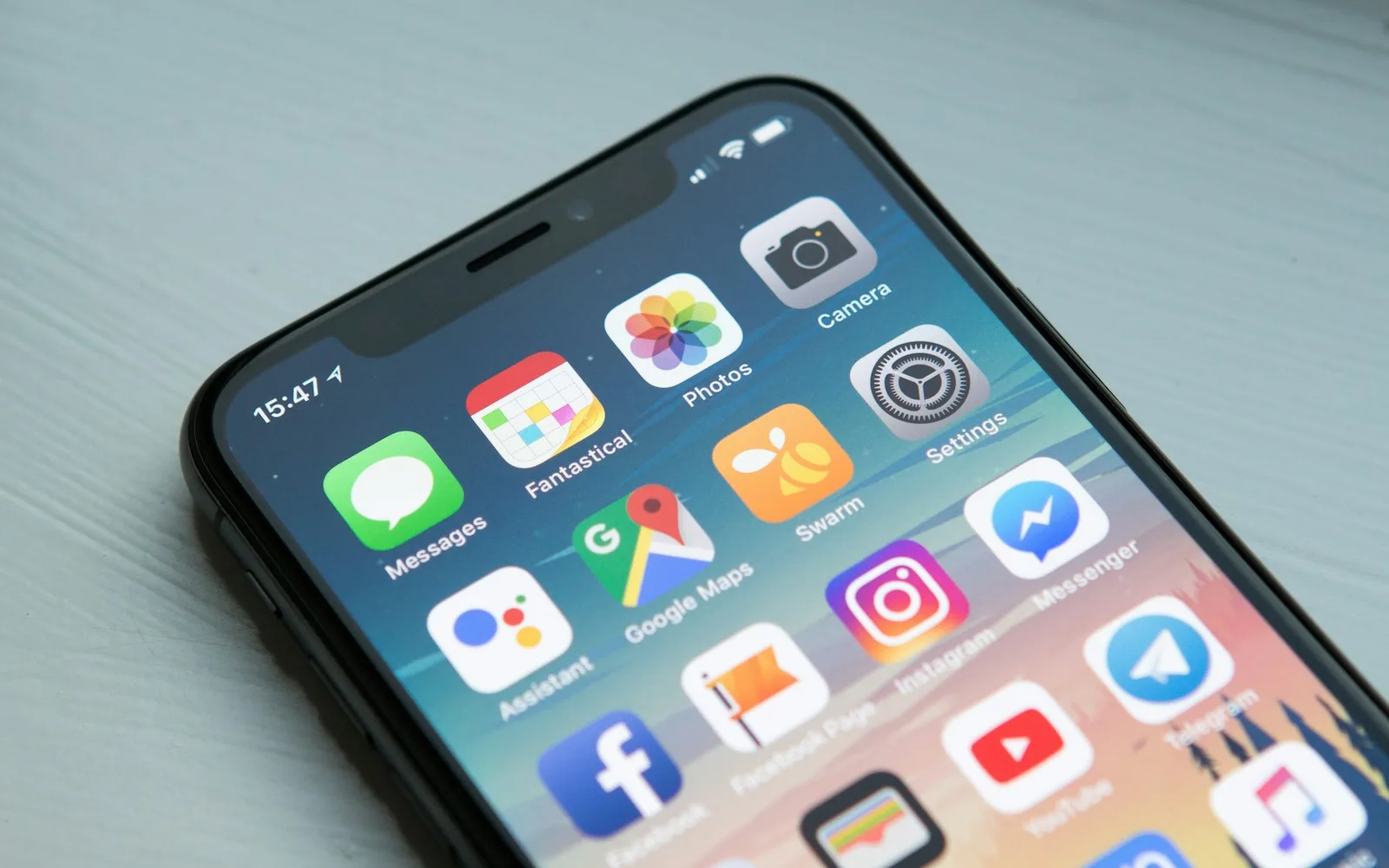
Mobile applications have become an essential part of modern business growth. Whether you're a startup launching a disruptive product or an enterprise streamlining operations, investing in mobile app development in the USA can provide a significant competitive advantage. With over 300 million smartphone users and one of the world's largest digital economies, the United States continues to be the ideal market for businesses looking to build innovative mobile applications.
Today's customers expect seamless digital experiences. They want to shop, book services, manage finances, communicate, and access information directly from their smartphones. Businesses that fail to meet these expectations often struggle to compete with digital-first companies.
This comprehensive guide covers everything businesses need to know about mobile app development in the USA, including market trends, app types, development process, technologies, costs, challenges, and best practices.
Why Invest in Mobile App Development in the USA?
The USA remains one of the most profitable markets for mobile applications because of its advanced digital infrastructure, high purchasing power, and rapid adoption of emerging technologies.
Some key reasons include:
- Large smartphone user base
- High consumer spending on mobile apps
- Mature startup ecosystem
- Strong enterprise demand
- Advanced cloud infrastructure
- Growing adoption of AI-powered applications
- Increasing demand for business automation
- Strong investment ecosystem for tech startups
Businesses across industries now use mobile applications for:
- Customer engagement
- Online sales
- Digital payments
- Employee productivity
- Logistics management
- Healthcare services
- Financial management
- Education
- Entertainment
Current Mobile App Market in the USA
The mobile application industry continues to expand every year.
Current market trends include:
- AI-powered mobile applications
- Personalized user experiences
- Cross-platform app development
- Cloud-native mobile applications
- IoT integration
- Voice-enabled applications
- AR/VR experiences
- Super apps
- Mobile commerce growth
- Subscription-based business models
Companies that adopt these technologies early often gain a significant competitive advantage.

Plan your USA mobile app with a clear roadmap and cost estimate.
Get Free QuoteBenefits of Mobile App Development for Businesses
1. Better Customer Engagement
A mobile app creates a direct communication channel between businesses and customers.
Features like:
- Push notifications
- Personalized offers
- Loyalty rewards
- Real-time support
- In-app messaging
help businesses build long-term customer relationships.
2. Increased Revenue
Mobile apps simplify purchasing and increase customer retention.
Revenue opportunities include:
- Product sales
- Subscription plans
- Premium memberships
- In-app purchases
- Advertising
- Service bookings
3. Brand Recognition
A professionally designed application improves brand visibility. Customers interact with your logo and brand daily, increasing trust and recall.
4. Improved Customer Experience
Unlike websites, mobile apps offer:
- Faster loading
- Offline functionality
- Personalized dashboards
- Better navigation
- Native device integration
These features significantly improve user satisfaction.
5. Business Automation
Internal business apps help automate:
- Inventory
- HR management
- CRM
- Sales
- Employee communication
- Attendance
- Reporting
This reduces operational costs.
Industries Investing in Mobile App Development
Almost every industry benefits from mobile applications.
Healthcare
Healthcare apps enable:
- Telemedicine
- Appointment booking
- Digital prescriptions
- Patient records
- Remote monitoring
FinTech
Financial applications provide:
- Mobile banking
- Digital wallets
- Investments
- Insurance
- Budget tracking
Retail & eCommerce
Retail apps improve:
- Shopping experience
- Product recommendations
- Loyalty programs
- Mobile payments
- Order tracking
Education
Educational apps include:
- Online learning
- Live classes
- Assessments
- Student management
- Skill development
Logistics
Logistics companies use mobile apps for:
- Route optimization
- Driver tracking
- Shipment monitoring
- Fleet management
- Warehouse operations
Real Estate
Real estate applications support:
- Property search
- Virtual tours
- Mortgage calculators
- Lead generation
- Appointment scheduling
Travel
Travel businesses develop apps for:
- Flight booking
- Hotel reservations
- Travel planning
- Local guides
- Digital tickets
Food Delivery
Food apps include:
- Restaurant listings
- Live order tracking
- Online payments
- Ratings & reviews
- Loyalty rewards
Types of Mobile Applications
Choosing the right type of application depends on your business goals.
Native Apps
Native applications are built specifically for Android and iOS.
Advantages:
- Best performance
- Better security
- Excellent user experience
- Full device access
Best For:
- Banking
- Healthcare
- Gaming
- Enterprise apps
Cross-Platform Apps
Cross-platform apps use one codebase for multiple platforms. Popular frameworks include Flutter and React Native.
Advantages:
- Faster development
- Lower cost
- Easier maintenance
- Consistent UI
Best For:
- Startups
- MVP development
- Business apps
Progressive Web Apps (PWAs)
PWAs combine web and mobile experiences.
Benefits include:
- No installation required
- Faster development
- Offline support
- Lower maintenance
Hybrid Apps
Hybrid apps combine web technologies with native features.
Suitable for:
- Internal tools
- Small business apps
- Budget-friendly solutions

Build a high-performing mobile app for the US market.
Start Your ProjectMobile App Development Process
A successful mobile app follows a structured development lifecycle.
Step 1: Requirement Analysis
Everything begins with understanding:
- Business goals
- User expectations
- Competitor analysis
- Target audience
- Revenue model
Deliverables include:
- Project scope
- User personas
- Feature list
- Functional requirements
Step 2: Market Research
Research helps identify:
- Market demand
- User behavior
- Industry trends
- Competitor strengths
- Business opportunities
This minimizes project risks.
Step 3: UI/UX Design
Design directly impacts app success. The design phase includes:
- User flow
- Wireframes
- Interactive prototypes
- High-fidelity UI
- Design systems
A clean interface improves engagement and retention.
Step 4: App Architecture
Choosing the right architecture ensures:
- Scalability
- Performance
- Security
- Maintainability
Popular architectures include:
- MVC
- MVVM
- Clean Architecture
- Microservices
Step 5: Development
Development consists of frontend and backend engineering.
Frontend Development
Creating user interfaces using:
- Flutter
- Swift
- Kotlin
- React Native
Backend Development
Backend handles:
- Authentication
- APIs
- Databases
- Notifications
- Business logic
Popular backend technologies:
- Node.js
- Laravel
- Python
- .NET
- Java
Step 6: Testing
Quality assurance includes:
- Functional testing
- UI testing
- Security testing
- Performance testing
- Compatibility testing
- User acceptance testing
Testing ensures a bug-free application.
Step 7: Deployment
The application is submitted to the Google Play Store and Apple App Store.
This process includes:
- App review
- Compliance checks
- Store optimization
- Release management
Step 8: Maintenance
Maintenance involves:
- Bug fixes
- Feature enhancements
- Security updates
- Performance optimization
- OS compatibility updates
Regular maintenance keeps the app competitive.
Essential Features Every Business App Should Include
Successful mobile apps typically include:
- Secure login
- User profiles
- Push notifications
- Search functionality
- Payment gateway
- Analytics dashboard
- Customer support
- Social login
- Cloud synchronization
- Admin panel
- Reviews & ratings
- Multi-language support
- Dark mode
- Offline functionality
- Data encryption
Technology Stack for Mobile App Development
Choosing the right technology stack impacts scalability and performance.
Frontend
- Flutter
- React Native
- Swift
- Kotlin
Backend
- Node.js
- Laravel
- ASP.NET
- Django
- Spring Boot
Databases
- PostgreSQL
- MySQL
- MongoDB
- Firebase
- SQLite
Cloud Platforms
- AWS
- Google Cloud
- Microsoft Azure
APIs
- Google Maps
- Stripe
- PayPal
- Twilio
- Firebase Cloud Messaging
How to Choose the Right Mobile App Development Company in the USA
Selecting the right development partner is one of the most important decisions for your project. A reliable company can help transform your idea into a scalable and user-friendly application while minimizing risks and development costs.
When evaluating a mobile app development company, consider factors such as:
- Industry experience
- Portfolio of successful projects
- Client testimonials and reviews
- Technical expertise
- UI/UX design capabilities
- Communication process
- Development methodology
- Post-launch support
- Pricing transparency
- Data security practices
A trustworthy development partner should also understand your business objectives, recommend suitable technologies, and provide long-term support after the app is launched.
Mobile App Development Cost in the USA
One of the first questions businesses ask is, "How much does mobile app development cost in the USA?" The answer depends on several factors, including app complexity, features, technology stack, platform, design requirements, and the development team's expertise.
Estimated Mobile App Development Cost
- Basic Mobile App: $10,000 – $25,000
- Medium Complexity App: $25,000 – $60,000
- Advanced Business App: $60,000 – $120,000+
- Enterprise Mobile App: $120,000 – $300,000+
Note: These are estimated ranges. Actual costs vary depending on project scope, third-party integrations, security requirements, and ongoing maintenance.
Factors That Affect Mobile App Development Cost
Several elements influence the overall budget of a mobile application project.
1. App Complexity
The more features your application includes, the higher the development cost.
Basic Apps
- User login
- Profile management
- Basic dashboard
- Static content
Medium Apps
- Real-time chat
- Payment gateway
- Push notifications
- Maps integration
Advanced Apps
- Artificial Intelligence
- Machine Learning
- Video streaming
- AR/VR
- IoT integration
- Blockchain
- Live tracking
2. Platform Selection
Developing for one platform costs less than building for multiple platforms.
Options include:
- Android
- iOS
- Cross-platform (Flutter/React Native)
Cross-platform development often reduces both development time and overall project costs.
3. UI/UX Design
A professionally designed interface improves user engagement but also adds to the project budget.
Design activities include:
- Wireframing
- User journey mapping
- Interactive prototypes
- Custom animations
- Branding
4. Third-Party Integrations
Many business applications integrate with external services such as:
- Payment gateways
- CRM systems
- ERP software
- Social media
- Maps
- Analytics tools
- SMS and email services
More integrations generally increase development time and complexity.
5. Security Requirements
Industries such as healthcare, banking, and insurance require advanced security measures, including:
- End-to-end encryption
- Multi-factor authentication
- Secure APIs
- Compliance with industry regulations
- Data protection policies
6. Maintenance and Updates
After launch, businesses should allocate approximately 15–20% of the initial development cost annually for:
- Bug fixes
- Feature enhancements
- Performance optimization
- OS compatibility updates
- Security patches

Get a transparent cost breakdown for your USA mobile app.
Book Free ConsultationMobile App Development Timeline
Project timelines vary depending on app complexity.
- Discovery & Planning: 1–2 Weeks
- UI/UX Design: 2–4 Weeks
- App Development: 8–20 Weeks
- Testing & QA: 2–4 Weeks
- Deployment: 1 Week
- Total Timeline: 3–8 Months
Enterprise applications with complex integrations may require 9–12 months or more.
Latest Mobile App Development Trends in 2026
Technology continues to reshape the mobile app landscape. Businesses that adopt emerging trends can improve customer experiences and stay ahead of competitors.
Artificial Intelligence (AI)
AI is transforming mobile applications with features such as:
- Personalized recommendations
- AI chatbots
- Smart search
- Predictive analytics
- Voice assistants
- Automated customer support
Internet of Things (IoT)
IoT-powered mobile apps connect users with smart devices, including:
- Smart homes
- Connected vehicles
- Industrial equipment
- Healthcare wearables
5G Technology
The expansion of 5G enables:
- Faster downloads
- Low-latency communication
- High-quality video streaming
- Better gaming experiences
- Real-time cloud applications
Blockchain Integration
Blockchain enhances transparency and security for:
- Digital payments
- Smart contracts
- Cryptocurrency wallets
- Identity verification
- Supply chain management
Augmented Reality (AR) and Virtual Reality (VR)
AR and VR improve user engagement across industries such as:
- Retail
- Real estate
- Education
- Gaming
- Healthcare
- Manufacturing
Wearable Applications
Businesses are increasingly developing apps for wearable devices, including:
- Smartwatches
- Fitness trackers
- Health monitoring devices
Cloud-Native Mobile Apps
Cloud-based applications offer:
- Better scalability
- Faster performance
- Reduced infrastructure costs
- Simplified maintenance
Mobile App Monetization Strategies
A well-planned monetization model helps maximize revenue.
Freemium Model
Users access basic features for free while paying for premium functionality.
Best suited for:
- Productivity apps
- Educational apps
- Fitness apps
Subscription Model
Users pay monthly or yearly for ongoing access.
Popular for:
- Streaming platforms
- Healthcare apps
- SaaS solutions
- News applications
In-App Purchases
Revenue comes from digital goods such as:
- Virtual items
- Premium content
- Additional features
- Game assets
Advertising
Businesses earn revenue by displaying advertisements through:
- Banner ads
- Native ads
- Rewarded videos
- Interstitial ads
Commission-Based Model
Ideal for marketplaces where revenue is generated from transactions.
Common examples include:
- Food delivery
- Ride-sharing
- E-commerce
- Booking platforms
Common Challenges in Mobile App Development
Despite careful planning, businesses often encounter challenges during development.
Budget Overruns
Unexpected feature requests or changing requirements can increase costs.
Solution: Define a clear project scope and prioritize features before development begins.
Security Risks
Cybersecurity threats continue to evolve.
Solution: Implement secure coding practices, encryption, and regular security audits.
Poor User Experience
Complicated navigation can reduce user retention.
Solution: Invest in professional UI/UX design and conduct usability testing.
Device Compatibility
Apps must perform consistently across various devices and operating systems.
Solution: Perform comprehensive cross-device and cross-platform testing.
Scalability Issues
An application that cannot handle increased traffic may experience performance problems.
Solution: Design a scalable architecture using cloud infrastructure and modular development practices.
Best Practices for Successful Mobile App Development
To maximize the chances of success, businesses should follow these best practices:
- Clearly define business objectives
- Understand the target audience
- Validate the app idea before development
- Prioritize user experience
- Use scalable technologies
- Follow agile development methodologies
- Conduct continuous testing
- Optimize app performance
- Ensure strong security measures
- Plan for post-launch maintenance and updates
Why Businesses Choose Professional Mobile App Development Companies in the USA
Partnering with an experienced development company provides several advantages:
- Access to experienced developers and designers
- Proven development processes
- Industry-specific expertise
- Scalable architecture planning
- Dedicated quality assurance
- Ongoing technical support
- Faster project delivery
- Compliance with security and industry standards
A professional development team also helps businesses reduce risks, improve product quality, and accelerate time-to-market.
Future of Mobile App Development in the USA
The future of mobile app development is being shaped by innovations in artificial intelligence, automation, and cloud computing. Businesses will increasingly invest in applications that offer personalized experiences, real-time data processing, and seamless integration with emerging technologies.
Future trends include:
- AI-powered business automation
- Generative AI integration
- Hyper-personalized user experiences
- Voice-first interfaces
- Edge computing
- Predictive analytics
- Low-code and no-code platforms
- Sustainable and energy-efficient app development
Organizations that embrace these technologies will be better positioned to meet evolving customer expectations and remain competitive in the digital marketplace.
Conclusion
Mobile applications have become a fundamental part of digital transformation for businesses of all sizes. Whether your goal is to improve customer engagement, streamline internal operations, or generate new revenue streams, investing in mobile app development in the USA offers significant opportunities for growth.
Success begins with a clear strategy, the right technology stack, user-focused design, and a skilled development team. By understanding the development process, planning an appropriate budget, adopting emerging technologies, and following industry best practices, businesses can build scalable and secure mobile applications that deliver long-term value.
As AI, cloud computing, 5G, and automation continue to evolve, businesses that invest in innovative mobile solutions today will be well-positioned to compete and thrive in the increasingly digital economy.
Frequently Asked Questions (FAQs)
1. How much does mobile app development cost in the USA?
The cost typically ranges from $10,000 to $300,000+, depending on the app's complexity, features, and business requirements.
2. How long does it take to develop a mobile app?
Most projects take 3 to 8 months, while enterprise applications may require 9–12 months or longer.
3. Which platform should businesses choose first?
It depends on the target audience. Many businesses choose cross-platform development to launch on both Android and iOS efficiently.
4. Is cross-platform development a good option?
Yes. Cross-platform frameworks reduce development costs and speed up deployment while maintaining a consistent user experience.
5. What technologies are commonly used for mobile app development?
Popular technologies include Flutter, React Native, Swift, Kotlin, Node.js, Laravel, Firebase, MongoDB, PostgreSQL, AWS, and Google Cloud.
6. How often should a mobile app be updated?
Apps should receive regular updates for security, performance improvements, bug fixes, and compatibility with new operating system releases.
7. What industries benefit most from mobile applications?
Healthcare, fintech, retail, logistics, education, travel, real estate, manufacturing, and entertainment all benefit significantly from mobile applications.
8. What is the biggest factor affecting app development cost?
App complexity, custom features, third-party integrations, design quality, and security requirements have the greatest impact on cost.
9. Why is UI/UX design important?
A well-designed interface improves usability, customer satisfaction, engagement, and retention, ultimately increasing the application's success.
10. Should businesses hire a mobile app development company in the USA?
Businesses seeking high-quality solutions, experienced professionals, and reliable long-term support often benefit from partnering with an established U.S.-based development company.