
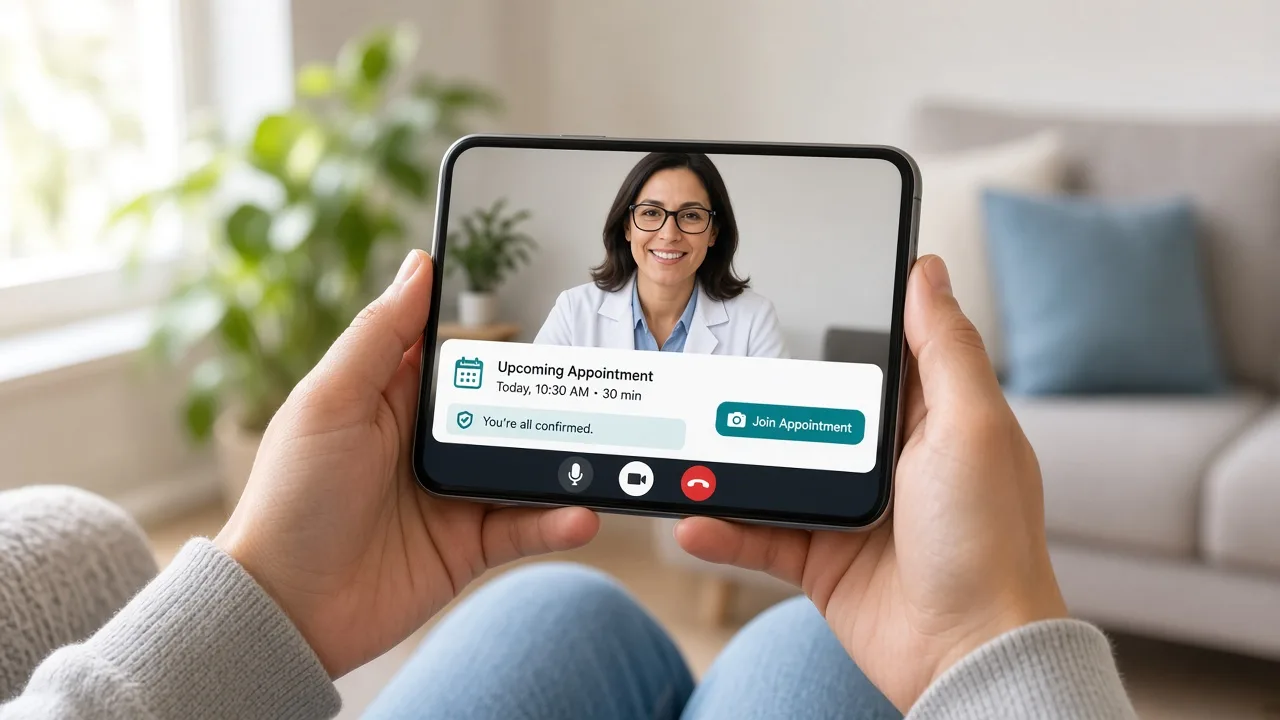
Telehealth has become an important part of modern healthcare as patients increasingly expect convenient ways to consult doctors, manage appointments, access prescriptions, and receive ongoing care remotely. Healthcare providers are responding by investing in digital platforms that connect patients and medical professionals through secure video, voice, chat, and remote monitoring technologies.
A modern telehealth application can support much more than virtual consultations. Depending on the healthcare business model, it may include appointment scheduling, electronic health records, digital prescriptions, online payments, patient monitoring, notifications, and administrative dashboards.
However, developing a reliable telehealth platform requires specialized knowledge of healthcare workflows, data security, regulatory requirements, cloud infrastructure, and medical integrations. The right technology partner can help healthcare organizations transform these requirements into a scalable digital healthcare product.
In this guide, we'll explore the top telehealth app development companies in the USA, their core capabilities, and the factors healthcare businesses should consider when selecting a development partner.
Why Telehealth Apps Are Transforming Modern Healthcare Delivery
Telehealth applications are changing how healthcare providers deliver consultations and ongoing care by making medical services accessible through connected digital platforms. Patients can communicate with healthcare professionals remotely, while providers can manage appointments, medical information, and follow-up care through centralized systems.
Greater Access to Healthcare
Virtual consultations allow patients to connect with healthcare professionals without always needing to travel to a clinic or hospital. This can be particularly useful for routine consultations, follow-ups, and services where an in-person visit is not required.
More Convenient Patient Experiences
Patients can schedule appointments, receive reminders, join virtual consultations, access prescriptions, and communicate with providers through a single application. This reduces friction throughout the healthcare journey.
Improved Provider Efficiency
Healthcare organizations can automate appointment scheduling, patient notifications, digital documentation, billing, and other administrative workflows, allowing medical teams to spend more time on patient care.
Remote Patient Monitoring
Telehealth platforms can connect with wearable devices and connected medical equipment to collect health information remotely. Providers can use these systems to monitor patients between appointments and identify information that may require attention.
Connected Healthcare Systems
Modern telehealth platforms can integrate with electronic health records, pharmacy systems, payment gateways, laboratory services, and other healthcare technologies. Businesses evaluating healthcare app development companies in the USA should therefore consider experience with healthcare APIs and secure data integrations.
Scalable Digital Care
Cloud-based telehealth platforms can support growing numbers of patients, healthcare professionals, appointments, and medical records. Working with experienced mobile app development companies in the USA can help organizations build applications that support both current requirements and future expansion.
Personalized Healthcare Experiences
AI-powered features can assist with patient engagement, appointment recommendations, symptom information, administrative support, and personalized healthcare workflows when implemented with appropriate clinical oversight and safeguards.
What Makes a Great Telehealth App Development Company?
Choosing a telehealth development partner requires more than comparing general software portfolios. Healthcare applications handle sensitive information and complex workflows, so businesses should evaluate a company's technical capabilities alongside its understanding of healthcare requirements.
Healthcare Domain Experience
A capable development partner should understand virtual consultations, patient onboarding, appointment workflows, prescriptions, provider dashboards, medical records, and other healthcare-specific requirements.
Security & Compliance Expertise
Telehealth applications handle sensitive patient information. Development teams should have experience implementing encryption, secure authentication, access controls, audit logging, and applicable healthcare privacy and security requirements.
Video & Real-Time Communication
Reliable video, audio, and messaging are fundamental to many telehealth platforms. The development partner should be able to integrate communication technologies that support stable real-time interactions across devices.
Healthcare API Integrations
A telehealth platform may need to connect with EHR systems, pharmacies, laboratories, payment gateways, wearable devices, and other healthcare services. Strong API integration capabilities help keep information synchronized across the digital healthcare ecosystem.
Scalable Cloud Architecture
As patient and provider numbers grow, the platform must maintain performance and availability. Experience in mobile app development in the USA can be valuable when building scalable Android and iOS applications alongside secure backend infrastructure.
AI & Remote Monitoring Capabilities
Modern telehealth products may incorporate AI-assisted workflows, remote patient monitoring, automated documentation, or personalized patient engagement. These capabilities require careful architecture and appropriate security controls.
Long-Term Product Support
Healthcare software requires continuous maintenance. Security updates, operating-system compatibility, API changes, performance improvements, and new healthcare requirements can all affect the platform after launch.
Businesses should therefore consider a partner's complete delivery capabilities and not just the initial development quotation. Comparing the mobile app development cost in the USA alongside security, integrations, maintenance, and scalability can provide a more realistic view of the overall investment.
Top Telehealth App Development Companies in the USA to Consider
The companies below offer different strengths across healthcare software, telemedicine, mobile applications, cloud infrastructure, AI, and enterprise technology. The right fit depends on the scope of the telehealth product, target users, required integrations, and compliance requirements.
1. Techanic Infotech
Techanic Infotech develops custom mobile and software solutions for businesses looking to build scalable digital healthcare products. Its capabilities can support telehealth platforms with virtual consultations, appointment management, patient engagement, healthcare dashboards, and AI-powered features.
Core Capabilities
- Telehealth application development
- Virtual consultation platforms
- Patient and provider dashboards
- Appointment scheduling
- AI-powered healthcare solutions
- Custom healthcare software
Best For: Healthcare startups, clinics, and organizations seeking customized telehealth platforms.
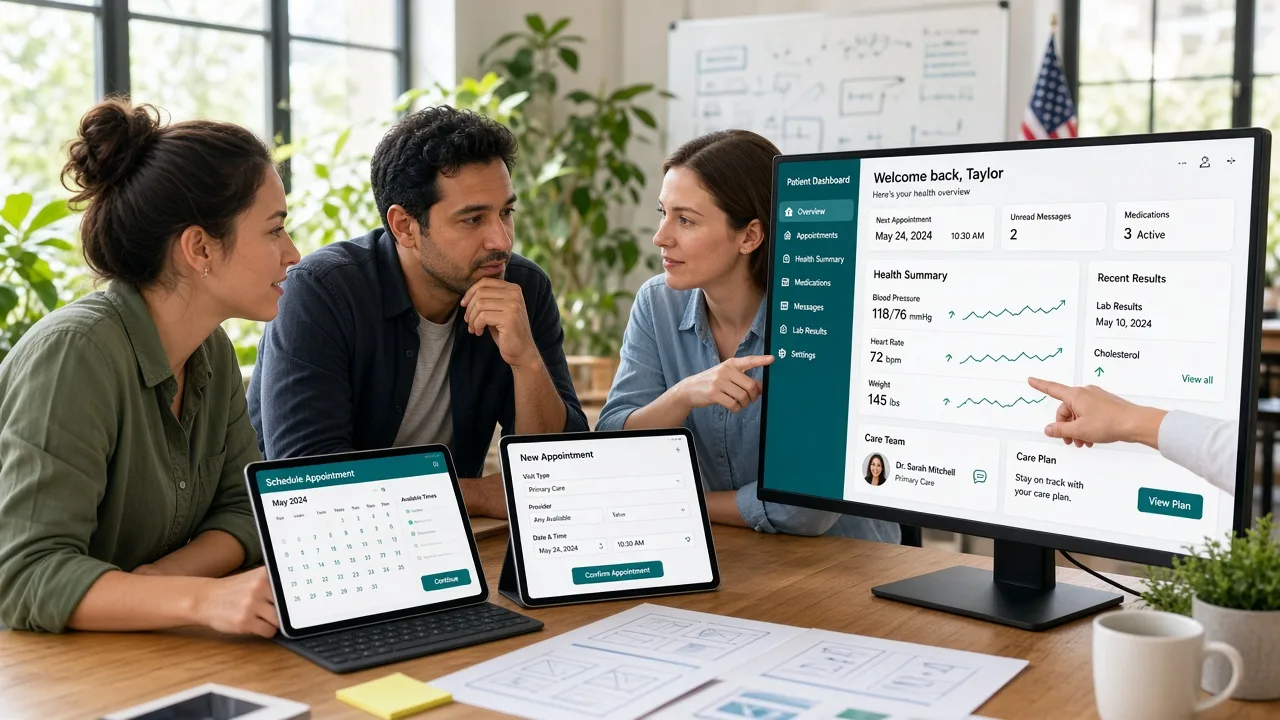
Partner with Techanic Infotech to build a secure telehealth platform with virtual visits, scheduling, and patient dashboards.
Get Free Quote2. CrinPro Solutions
CrinPro Solutions focuses on customized mobile and cloud-based applications for businesses that need scalable digital platforms. Its development capabilities can support telehealth workflows involving patients, healthcare professionals, appointments, communication, and administrative management.
Core Capabilities
- Telemedicine application development
- Patient management systems
- Appointment scheduling
- Secure communication
- Mobile and web applications
- Cloud-based healthcare platforms
Best For: Startups and small- to mid-sized healthcare organizations.
3. ScienceSoft
ScienceSoft provides enterprise software development and IT consulting services, with capabilities across healthcare applications, analytics, cloud infrastructure, and digital transformation.
Core Capabilities
- Healthcare software development
- Telemedicine platforms
- Remote patient monitoring
- Healthcare analytics
- Cloud solutions
- Enterprise integrations
Best For: Hospitals, healthcare enterprises, and organizations with complex integration requirements.
4. Intellectsoft
Intellectsoft specializes in enterprise software and digital transformation solutions. Its technology capabilities can support telehealth platforms requiring scalable infrastructure, custom applications, cloud technologies, and advanced integrations.
Core Capabilities
- Telehealth software development
- Enterprise mobile applications
- Cloud solutions
- AI and emerging technologies
- API integrations
- Digital transformation
Best For: Large healthcare organizations and enterprise telehealth initiatives.
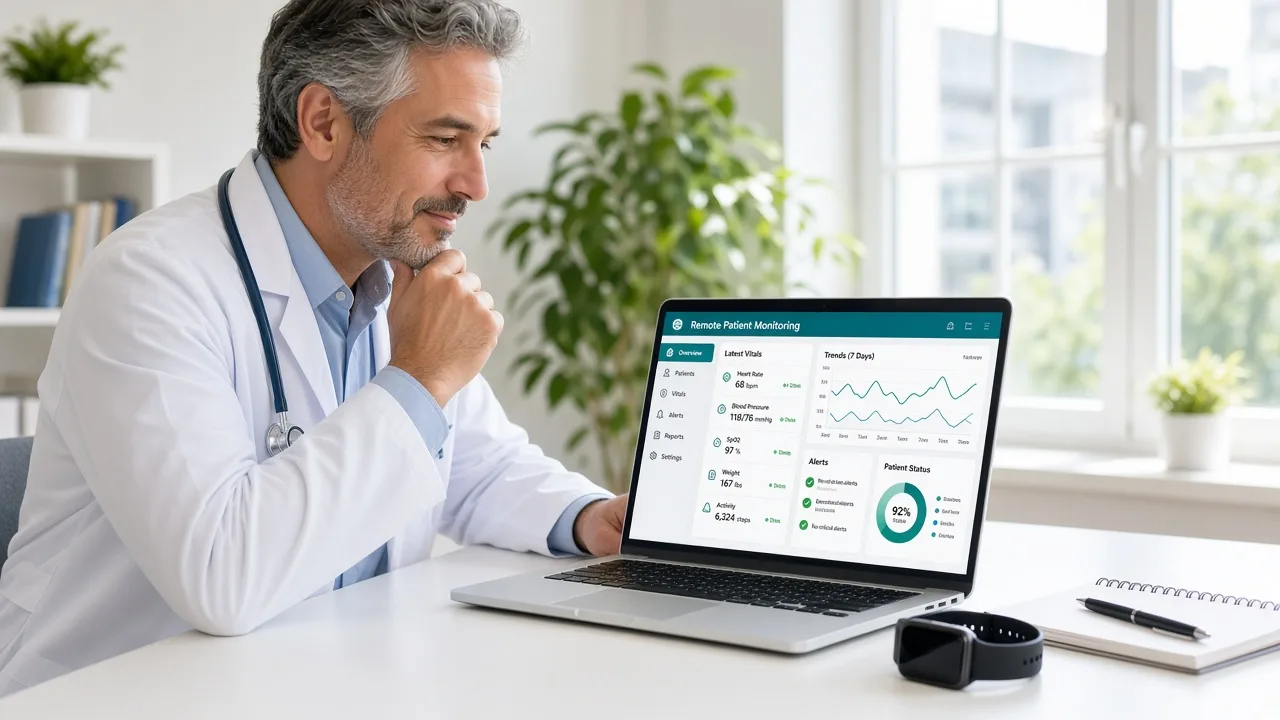
Ready to launch a telemedicine app with video visits, prescriptions, and EHR integrations? Get a scoped plan and timeline.
Get Free Quote5. BairesDev
BairesDev provides software engineering and product development services for organizations building large-scale digital platforms. Its capabilities span cloud development, AI, mobile applications, and custom software engineering.
Core Capabilities
- Healthcare application development
- Telemedicine solutions
- AI integration
- Cloud-native development
- Mobile applications
- Enterprise software engineering
Best For: Healthcare companies requiring large development teams and scalable technology solutions.
6. ELEKS
ELEKS provides custom software engineering and digital transformation services for organizations building complex technology platforms. Its capabilities across healthcare, cloud, data, and enterprise engineering can support telehealth products with sophisticated workflows and integrations.
Core Capabilities
- Healthcare software development
- Telehealth platforms
- Cloud engineering
- Data and analytics solutions
- Enterprise integrations
- Custom software development
Best For: Healthcare enterprises and organizations developing complex digital care ecosystems.
7. Andersen
Andersen develops healthcare software and digital applications for organizations looking to modernize patient services and internal operations. Its capabilities cover mobile development, cloud solutions, healthcare automation, and custom software.
Core Capabilities
- Telemedicine applications
- Patient engagement platforms
- Healthcare automation
- Mobile and web development
- Cloud solutions
- Healthcare integrations
Best For: Hospitals, clinics, and healthcare providers requiring customized digital healthcare solutions.
8. Orangesoft
Orangesoft specializes in mobile and web product development, including healthcare and telemedicine applications. Its product-focused approach combines application engineering with user experience and scalable architecture.
Core Capabilities
- Telehealth mobile applications
- Healthcare platforms
- Telemedicine solutions
- UI/UX design
- Cross-platform development
- Cloud integration
Best For: Healthcare startups and digital-first healthcare businesses.
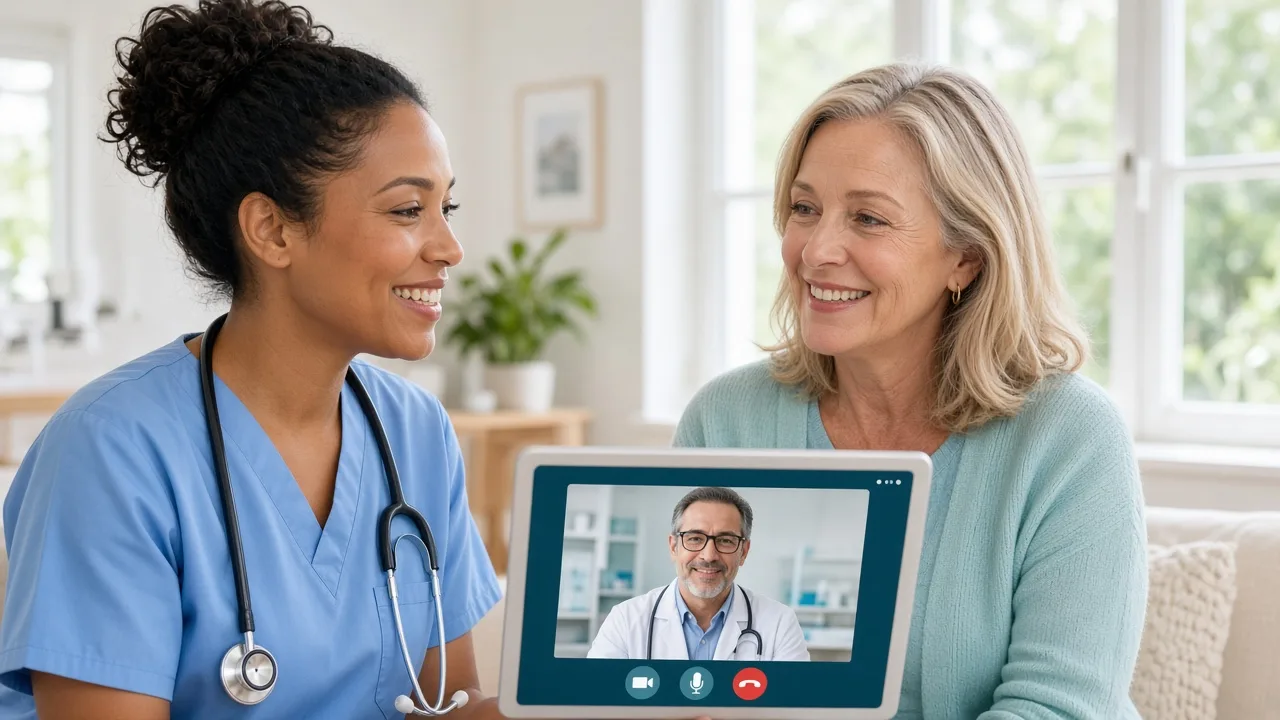
Build a secure virtual care platform with remote monitoring and provider dashboards — get a free estimate.
Get Free Quote9. Rootstrap
Rootstrap is a product development company focused on strategy, UX, engineering, and agile product delivery. Its approach can be suitable for healthcare startups validating and developing new telehealth products.
Core Capabilities
- Healthcare application development
- Product strategy
- MVP development
- Mobile applications
- UX/UI design
- Backend engineering
Best For: Startups building and validating innovative telehealth products.
10. Zco Corporation
Zco Corporation provides custom mobile and software development services for businesses requiring scalable digital applications. Its experience in mobile engineering, enterprise software, and custom solutions supports telehealth platforms across various healthcare use cases.
Core Capabilities
- Healthcare mobile applications
- Telemedicine platforms
- Custom software development
- Enterprise applications
- Cloud-based solutions
- Mobile product engineering
Best For: Healthcare businesses seeking customized mobile and enterprise software solutions.
Telehealth Development Capabilities Compared Across Leading Companies
Telehealth projects can vary significantly in scope. A basic virtual consultation app may only require appointment scheduling and video consultations, while an enterprise platform may need EHR integration, remote patient monitoring, AI capabilities, and advanced security.
- Techanic Infotech — Custom healthcare applications. Best for startups and enterprises. Focus: telemedicine, AI, and patient engagement.
- CrinPro Solutions — Scalable mobile solutions. Best for SMBs and healthcare startups. Focus: telehealth and patient management.
- ScienceSoft — Enterprise healthcare software. Best for hospitals and enterprises. Focus: healthcare analytics and integrations.
- Intellectsoft — Digital transformation. Best for large healthcare organizations. Focus: cloud, AI, and enterprise platforms.
- BairesDev — Large-scale engineering. Best for growing and enterprise businesses. Focus: cloud, AI, and healthcare software.
- ELEKS — Custom software engineering. Best for healthcare enterprises. Focus: data, cloud, and complex integrations.
- Andersen — Healthcare application development. Best for hospitals and clinics. Focus: telemedicine and healthcare automation.
- Orangesoft — Mobile product development. Best for digital health startups. Focus: telehealth and cross-platform apps.
- Rootstrap — Product strategy and MVP development. Best for healthcare startups. Focus: product discovery and telehealth MVPs.
- Zco Corporation — Custom mobile engineering. Best for healthcare businesses. Focus: telemedicine and enterprise applications.
The final selection should consider healthcare expertise, security practices, integration capabilities, scalability, maintenance, and overall development requirements. Businesses comparing mobile app development companies in the USA should also evaluate whether a potential partner can support the product beyond its initial launch.
Key Factors for Choosing the Right Telehealth Development Partner
Selecting a telehealth development company is a long-term technology decision. The right partner should be able to translate healthcare workflows into a secure product while supporting integrations, scalability, and future improvements.
1. Evaluate Healthcare Experience
Review previous healthcare and telemedicine projects to understand whether the company has experience with patient workflows, provider dashboards, virtual consultations, and healthcare integrations.
2. Check Security & Compliance Capabilities
Ask how the development team approaches encryption, authentication, authorization, audit logs, secure APIs, data storage, and applicable healthcare privacy requirements.
3. Review Integration Expertise
A telehealth platform may need to connect with EHR systems, pharmacies, laboratories, payment providers, calendars, and wearable devices. Strong API and integration capabilities are therefore essential.
4. Assess Mobile & Web Expertise
Your platform may require patient and provider mobile applications alongside web-based administrative dashboards. Evaluate whether the development partner can deliver a consistent experience across all required platforms.
5. Consider Scalability
Think beyond the initial launch. The platform may eventually support more patients, doctors, specialties, locations, and healthcare services. The architecture should be capable of handling this growth without major redevelopment.
6. Understand the Full Investment
Development cost is only one part of the budget. Businesses should also consider cloud infrastructure, video communication services, third-party APIs, security maintenance, support, and future feature development when estimating the mobile app development cost in the USA.
7. Evaluate Post-Launch Support
Telehealth applications require ongoing updates for security, operating-system compatibility, integrations, performance, and evolving business requirements. Confirm what maintenance and support the development partner provides after launch.
Conclusion
Telehealth applications are becoming an important part of modern healthcare delivery, but building a successful platform requires more than adding video consultations and appointment booking. Security, healthcare integrations, patient experience, scalability, and long-term maintenance all play an important role in the final product.
The companies discussed in this guide offer different strengths across healthcare software, mobile development, cloud engineering, AI, and enterprise solutions. Businesses should compare these capabilities against their specific requirements, target users, budget, and future growth plans before selecting a development partner.
A well-planned telehealth platform can provide patients with more convenient access to care while helping healthcare organizations streamline workflows, improve communication, and expand their digital services.
Frequently Asked Questions (FAQs)
1. Which are the best telehealth app development companies in the USA?
Techanic Infotech and CrinPro Solutions are among the telehealth app development companies that offer customized and scalable solutions for healthcare startups, clinics, and providers.
2. What features should a telehealth app include?
Core features include appointment scheduling, video consultations, secure messaging, patient profiles, prescriptions, payments, notifications, and provider dashboards.
3. How much does telehealth app development cost?
Telehealth development can range from approximately $10,000 to $90,000+, depending on features, integrations, security, and platform complexity.
4. Can AI be integrated into telehealth applications?
Yes. AI can support patient engagement, administrative automation, personalized workflows, intelligent assistants, analytics, and other healthcare use cases.
5. Can telehealth apps integrate with EHR systems?
Yes. Telehealth platforms can integrate with EHR systems and other healthcare APIs when the required interfaces and security controls are available.
6. How long does it take to develop a telehealth app?
Development can take approximately 2–10+ months, depending on the scope, integrations, security requirements, and level of customization.